From AI models to deployment: Five developer takeaways shaping the future of AI
Arm highlights five developer takeaways from recent events, emphasizing model optimization, hardware-aware deployment, and agent integration for scalable AI applications across cloud, edge, and embedded systems.
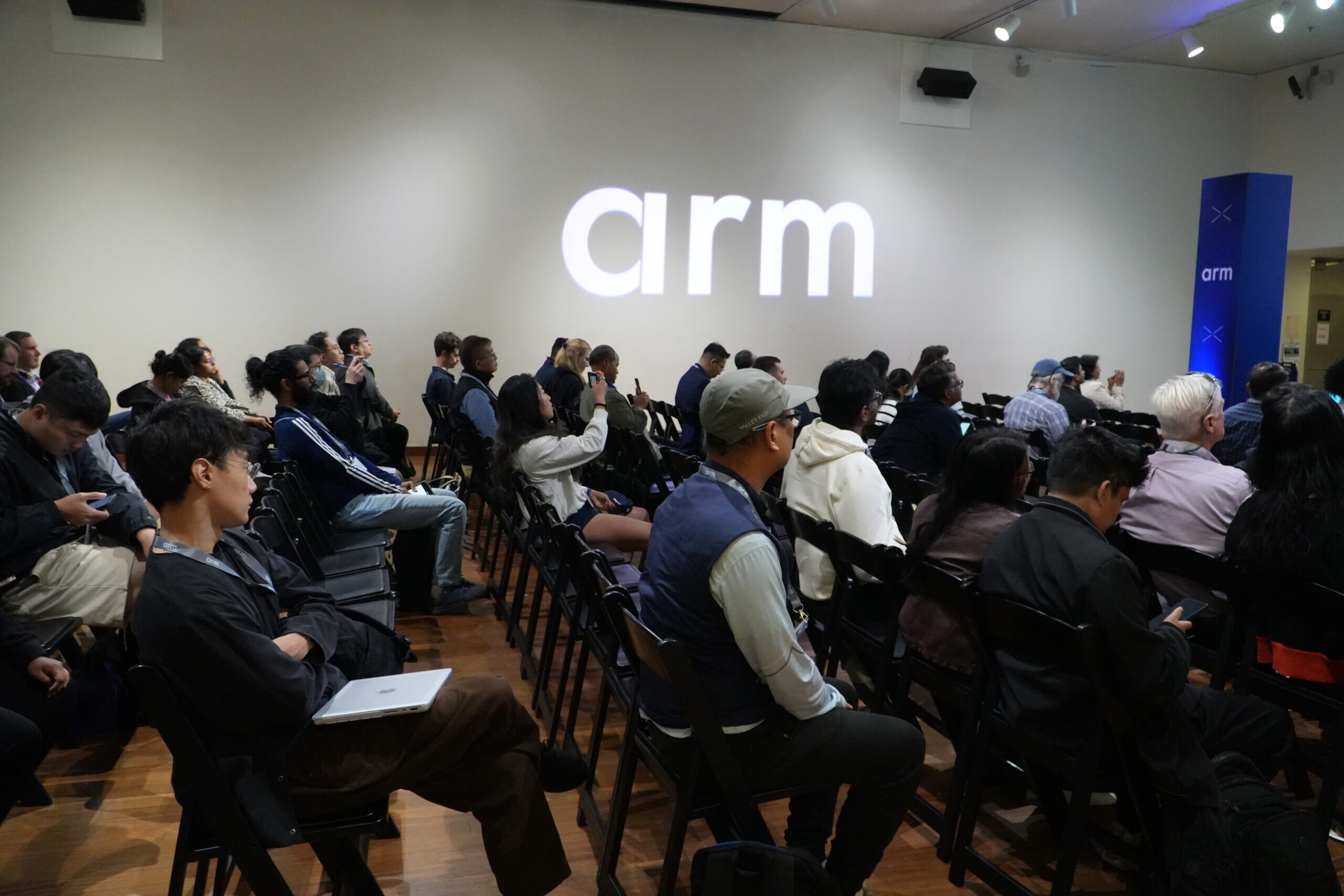
Arm’s participation in multiple developer events from September to October underscored the shift from building AI models to deploying intelligent applications. Sessions at WeAreDevelopers, PyTorch Conference, and Arm Create focused on connecting Arm’s compute foundation across cloud, edge, and physical environments with open frameworks and performance analysis. Developers explored model optimization, device interoperability, and practical workflows to transition from isolated AI capabilities to deployable applications.
The largest AI model does not always suit the application’s needs, as developers must balance accuracy, latency, memory, power, and reliability. Alex Spinelli of Arm emphasized defining deployment requirements before selecting models or runtimes. Discussions at WeAreDevelopers and PyTorch Conference highlighted hardware-aware optimization, including trade-offs in audio chunk size and numerical precision for speech recognition and small language models on constrained devices.
Arm Create introduced tools like the Arm AI Model Optimizer, built on NetsPresso® from Nota AI, to optimize models such as WideResNet-50 for the Arm Ethos-U85 NPU. Available via early access on the Arm AI Portal, the tool supports graph optimization, INT8 quantization, and ExecuTorch model export. Developers used Arm MLIA for latency estimates before physical testing, enabling informed optimization choices during model development.
AI agents are expanding beyond software tools to interact with physical systems like sensors, cameras, and robots, introducing challenges in interoperability and functional safety. Arm’s Device Connect and demonstrations at PyTorch Conference showed distributed workflows where ExecuTorch handled local speech processing while vLLM managed reasoning on external systems. Open-source interfaces and reusable drivers aim to simplify device integration, though safety and permission configurations remain critical.