How to Trade Margin on Bitfinex
Bitfinex explains margin trading mechanics, risks, and its peer-to-peer funding model in a newly published guide for leveraged crypto trading.
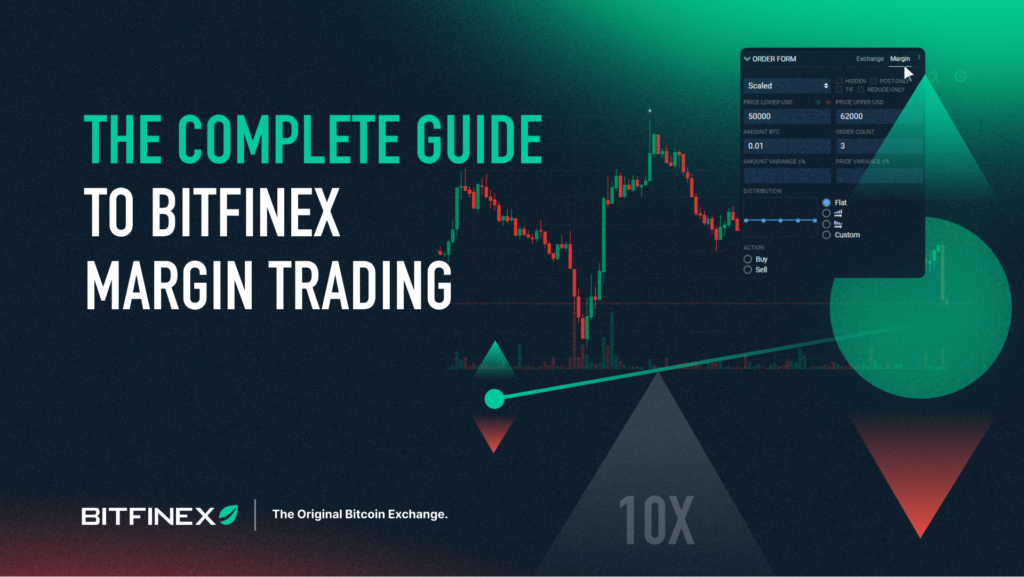
Margin trading allows users to borrow funds to amplify trading positions beyond their available capital, enabling larger gains—or losses—than spot trading alone. On Bitfinex, traders can access up to 10x leverage, but this increases exposure to liquidation risks if market movements exceed collateral thresholds. The platform’s peer-to-peer funding market connects borrowers directly with lenders, setting interest rates dynamically based on supply and demand rather than fixed exchange rates.
Traders use margin for multiple strategies, including controlling larger positions with less upfront capital or opening short positions to profit from price declines. The ability to hedge existing holdings by shorting against them is another common use case, allowing risk management without liquidating assets. Bitfinex supports advanced order types such as Market, Limit, Stop, and OCO, providing tools to refine entry and exit points for leveraged trades.
The platform’s margin funding model differs from many exchanges by relying on a peer-to-peer marketplace, where rates are determined by real-time market conditions. This structure has operated for over thirteen years, offering borrowers flexible funding and lenders competitive interest earnings. Bitfinex acts as the infrastructure provider, handling matching, liquidation, and risk management while the funding itself originates from other users.
Founded in 2012, Bitfinex remains one of crypto’s most established venues for leveraged trading, trusted by professional traders and institutions. Its long-standing peer-to-peer funding system contrasts with exchanges that rely on internal lending desks, offering a transparent alternative where rates adjust organically to market dynamics.