Computer Security: Welcome, summer students! – Home
CERN welcomes its 2026 summer students with a two-month program featuring lectures, projects, and academic freedom, while emphasizing digital security and IT service utilization.
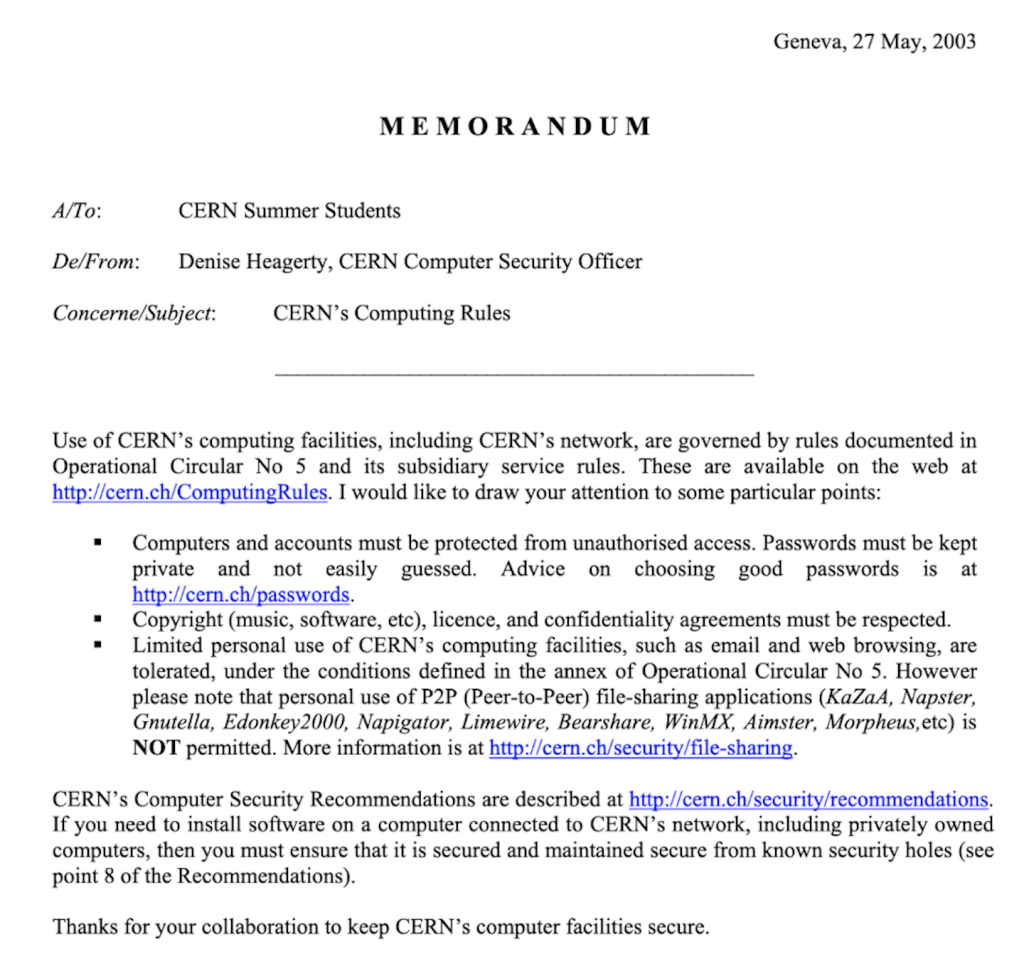
CERN has welcomed its 2026 summer student cohort, offering a two-month program filled with lectures, collaborative projects, and an environment fostering creativity and academic independence. Participants are granted CERN computing accounts, which require careful management to prevent misuse, including password protection and device security updates. The organization stresses the importance of enabling auto-updates on all devices to maintain protection against vulnerabilities. Phishing attempts targeting passwords are highlighted as a significant risk, with CERN advising students to verify email sources and avoid sharing credentials on suspicious webpages.
The Computer Security team at CERN warns against clicking on unverified links in emails, which could lead to malware infections and necessitate full device reinstalls. Students are encouraged to use centrally managed IT services provided by CERN for databases, webservers, and software development, allowing them to focus on innovation rather than infrastructure. All project-related materials, including code and documentation, must be shared with supervisors upon completion to ensure continuity and avoid deletion. This practice preserves the student’s contributions and maintains institutional knowledge.
CERN’s computing facilities operate under specific rules outlined in the CERN Computing Rules, requiring students to adhere to ethical and legal standards. Personal use is permitted within reasonable limits, though activities such as pornography browsing or crypto-mining are explicitly prohibited. Violations may result in disciplinary actions, including cease-and-desist notifications. The organization emphasizes responsible behavior to protect both individual users and the broader CERN infrastructure.
For further guidance, students can consult CERN’s Monthly Report on computer security incidents or contact the Computer Security team at Computer.Security@cern.ch. Additional resources are available on the official CERN IT website, providing support for security best practices and incident reporting. The team encourages proactive engagement to address potential risks and maintain a secure computing environment.