ESS Tech Signs Letter of Intent for Proposed Business Combination
ESS Tech signed a non-binding letter of intent to combine with a private energy company, aiming to finalize terms by September 2026 and close before year-end, pending approvals.
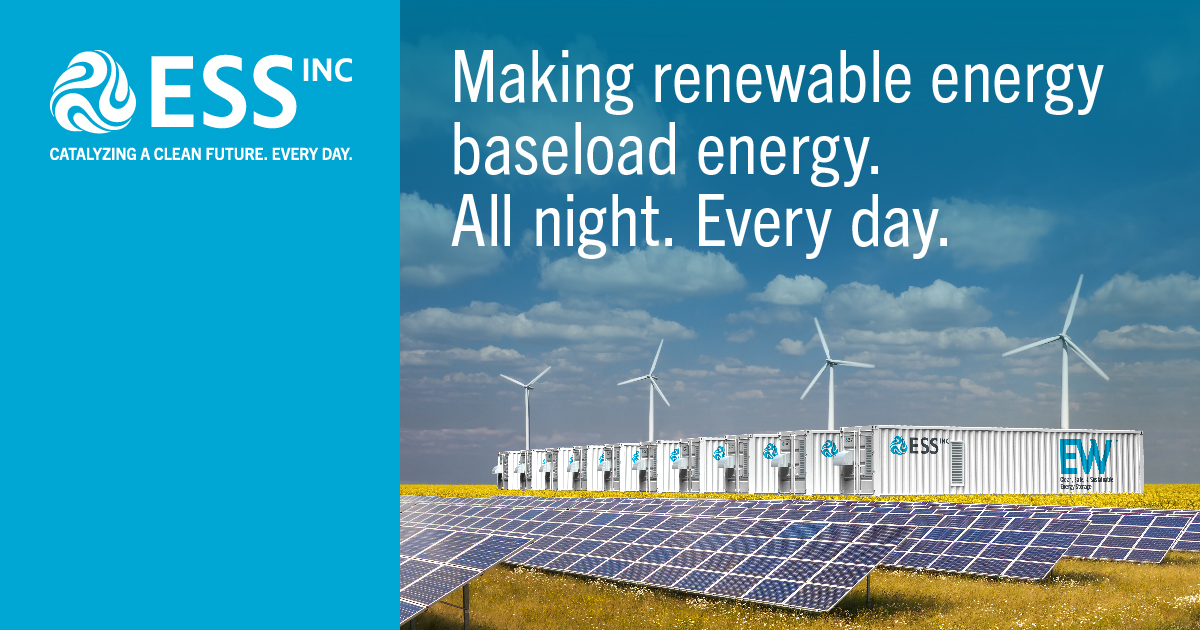
ESS Tech, Inc. (NYSE: GWH) announced a non-binding Letter of Intent (LOI) for a proposed business combination with an undisclosed private energy sector company. The transaction aligns with ESS’s strategy to develop energy solutions capable of rapid deployment. ESS expects to finalize a definitive agreement by the end of September 2026 and target a closing before December 31, 2026, while continuing to advance its existing technology platform during the interim period.
Drew Buckley, ESS’s Chief Executive Officer, stated that the company’s review of strategic opportunities led to the potential transaction, which it believes may support long-term objectives and maximize shareholder value. He emphasized a thoughtful approach to the proposed combination. The LOI is non-binding and does not obligate either party to proceed, with completion contingent on due diligence, definitive agreements, and regulatory approvals, including compliance with applicable listing requirements.
Completion of the proposed transaction remains uncertain and is subject to various conditions, including satisfactory due diligence and receipt of required approvals. ESS does not intend to provide further updates unless additional disclosure becomes necessary. The company cautioned that neither the SEC nor any state securities regulatory agency has approved or disapproved the transaction or passed on its merits or fairness.
ESS Tech specializes in non-lithium energy storage solutions, using iron, salt, and water in its iron flow technology to provide long-duration storage. Founded in 2011, ESS aims to accelerate decarbonization through reliable, flexible storage systems that support energy security and resilience, enabling customers to manage increasing demand and maximize the value of excess renewable energy.