Vasseur reveals strategy intentions after Hamilton criticism
Ferrari Team Principal Fred Vasseur defended the team’s Dutch GP strategy after Lewis Hamilton criticized decisions over the radio, citing competitive secrecy as the reason for withholding details.
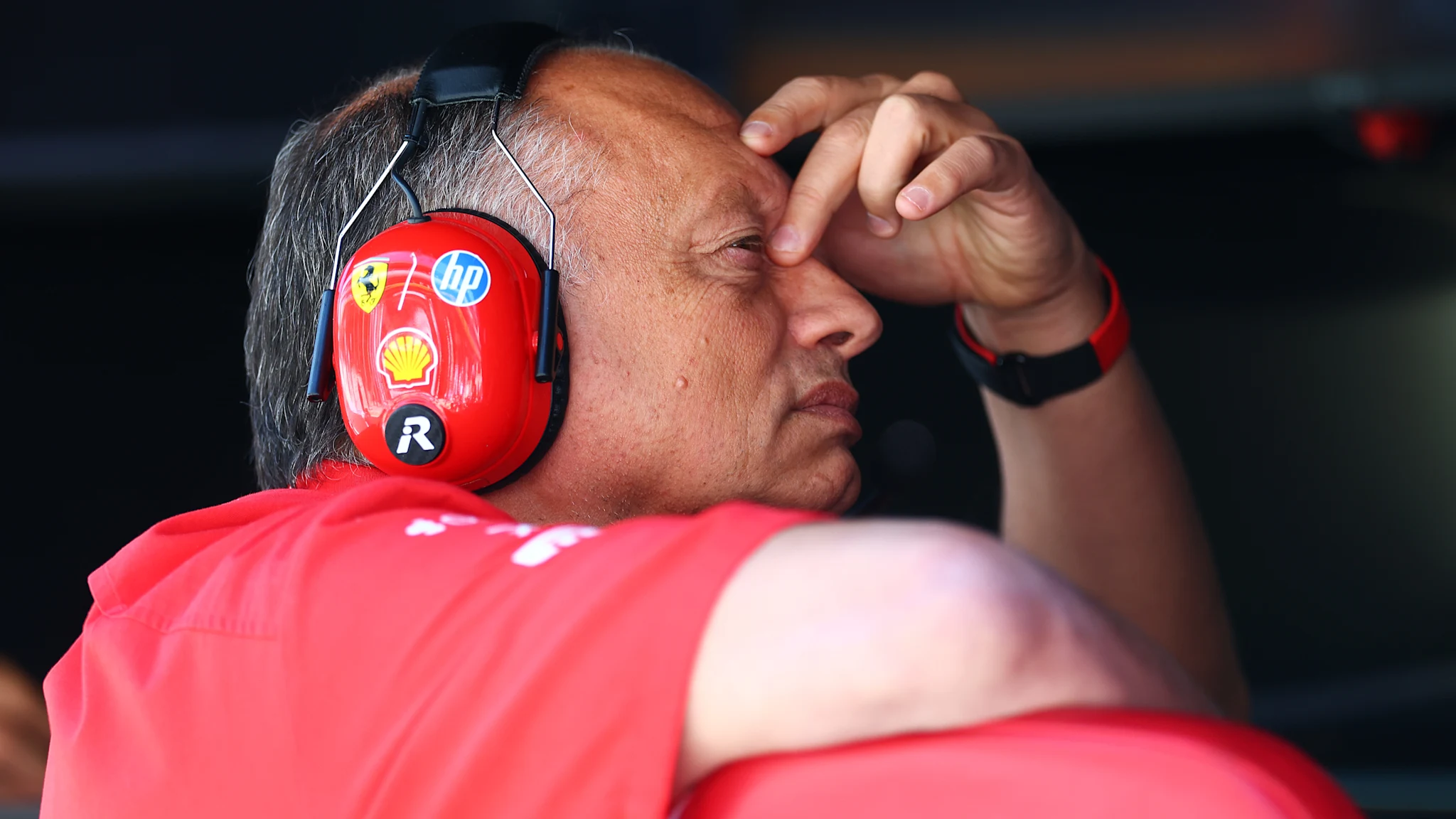
Ferrari’s fourth- and fifth-place finishes at the Dutch Grand Prix sparked criticism from their own drivers, particularly Lewis Hamilton, who questioned the team’s strategy over team radio. Hamilton, held up by teammate Charles Leclerc despite fresher tyres, sarcastically remarked, 'great waste of time there, guys,' and asked if Ferrari were using him 'as a guinea pig.' Leclerc remained on track an extra lap before Hamilton pitted, leaving him vulnerable to faster rivals like Lando Norris and Kimi Antonelli. The frustration highlighted tensions between drivers and strategy teams during the race.
Team Principal Fred Vasseur explained that withholding Hamilton’s strategy was intentional to prevent rival teams from gaining an advantage. 'We didn’t want to tell him the strategy at this stage, because we didn’t want to disclose it to the competitors,' Vasseur said. He added that keeping Hamilton on track until a late Virtual Safety Car was 'the right call,' though Leclerc’s extended lap was described as a 'kind of confusion.' Vasseur dismissed concerns, stating both drivers would have a clear picture of the race’s outcome.
Leclerc also expressed frustration during the race, particularly over tyre compound choices, which Vasseur acknowledged were challenging. 'Everybody was a little bit lost about the compound,' he said, noting the minimal difference between medium and soft tyres in the race. Norris, who started on medium before switching to soft, demonstrated the marginal gap between compounds. Vasseur emphasized that strategy adaptations are necessary to learn from competitors, even if they frustrate drivers.
The Dutch Grand Prix exposed Ferrari’s ongoing struggles with race strategy, compounded by driver frustrations and tight margins between tyre choices. While Vasseur defended the team’s secrecy as a competitive measure, the incident underscored the pressure on Ferrari to refine its decision-making. The race also highlighted the fine margins in modern Formula 1, where small errors or delays can significantly impact results, leaving both drivers and team seeking clarity for future events.