Art of play in the age of AI
GitHub highlights how AI accelerates coding while encouraging playful experimentation, as seen with hackable conference badges and open-source contributions.
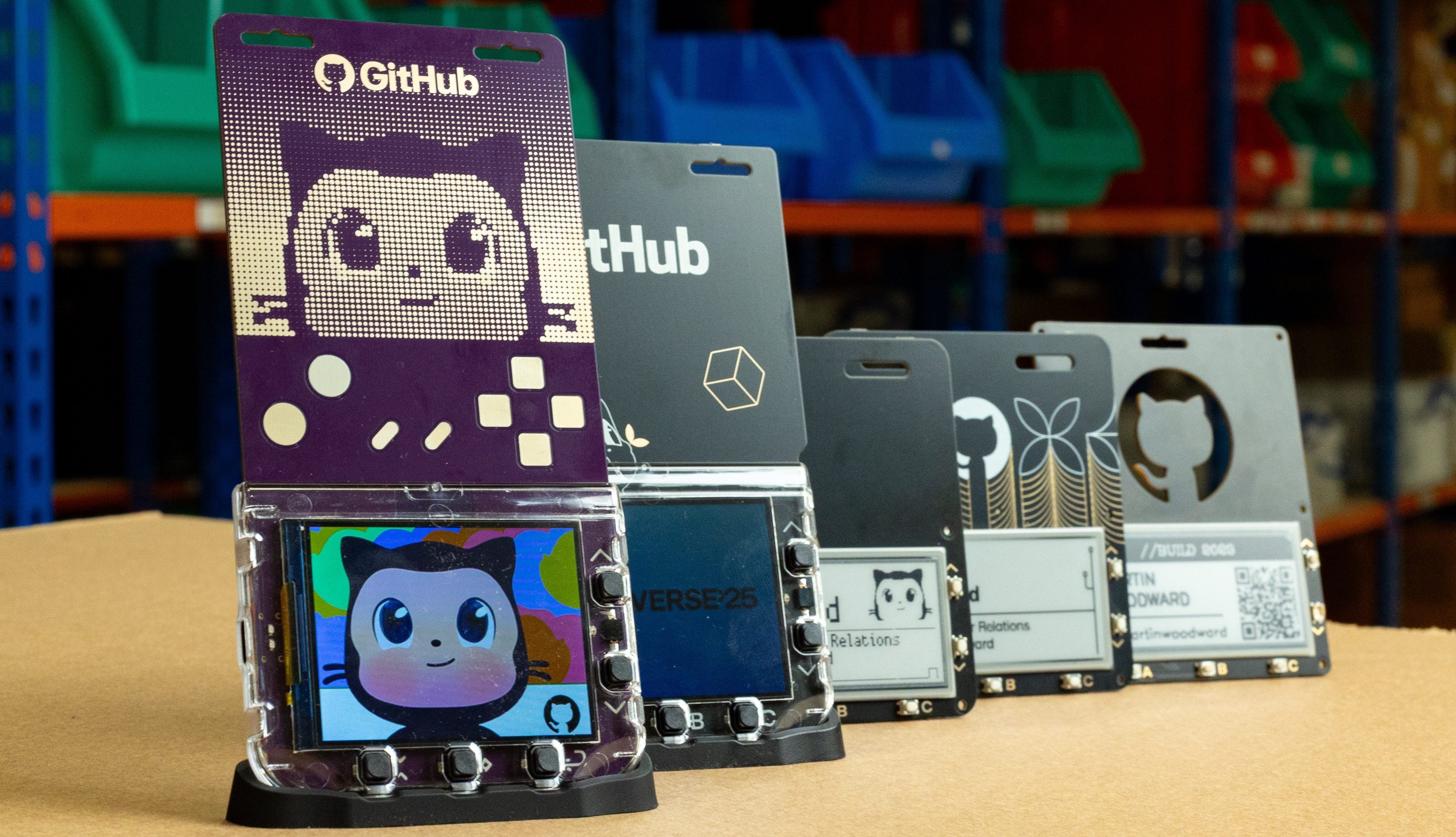
GitHub reflects on how faster software delivery frees developers to explore creative projects, drawing parallels to childhood tinkering that sharpened problem-solving skills. The company notes that AI tools now allow developers to prototype ideas quickly without mastering every technical step, shifting learning to later stages of development. GitHub’s hackable conference badges, evolving from simple name tags to interactive devices with sensors, exemplify this shift toward playful experimentation in professional settings.
The GitHub Universe closing keynote demonstrated how AI can lower barriers to complex tasks, such as training a machine-learning model on a badge to detect movement patterns like walking or fidgeting. This approach contrasts with past barriers where such projects required significant expertise, making advanced concepts more accessible to average developers. The keynote emphasized balancing experimentation with responsibility, particularly when contributing to open-source projects.
GitHub acknowledges the strain on open-source maintainers due to AI-powered contributions, which increase maintenance workloads while offering new opportunities for creativity. The company encourages developers to fork repositories for personal exploration but stresses respecting maintainers’ time by ensuring contributions are thoughtful and intentional. GitHub’s virtual badge now runs Doom, inviting users to test its capabilities and share their own creations.
GitHub offers free standard shipping on conference badges through December 1, 2026, using code FREESHIPBLOG26, alongside Black Friday discounts and alternative gift collections like the ESC series. The company also reported eight incidents in October that degraded GitHub service performance, underscoring ongoing infrastructure challenges.