Colorado students joined a Google hackathon to tackle energy grid challenges.
Colorado students collaborated with public leaders and Google to address clean energy grid challenges at a hackathon hosted in Boulder, with winning projects focusing on wildfire risks and energy backlogs.
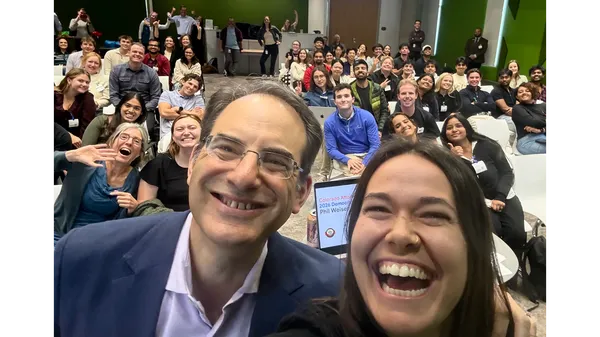
Google, CU Boulder, and the Colorado Energy Office hosted the second annual Colorado Impact Hackathon in Boulder, bringing together students to solve real-world energy grid challenges. Participants worked on issues such as creating a clean, secure, and resilient electric grid for Colorado, with a focus on practical solutions. The event emphasized collaboration between students, public leaders, and technologists to drive innovation in energy sustainability. Winning projects were recognized for their potential to address critical energy grid vulnerabilities.
Attorney General Phil Weiser and CU Boulder Vice Chancellor Andrew Mayock highlighted the importance of bold innovation during the hackathon. They underscored how emerging technologies could shape Colorado’s clean energy future. The event showcased how public-private partnerships can accelerate solutions to pressing environmental and energy challenges. Students gained hands-on experience tackling complex problems under real-world constraints.
The winning team, SolarSnap, developed a project aimed at improving grid resilience. Their work focused on mitigating wildfire risks and addressing energy backlogs in Colorado. The team’s solution was recognized for its practical approach to energy grid challenges. Google’s Guide Sarah Bonnet supported the students throughout the hackathon.
Students experienced a day as Googlers by working on high-impact problems during the hackathon. Andrew Mayock opened the event with a keynote speech, setting the tone for the day’s collaborative problem-solving. The hackathon concluded with closing remarks from Phil Weiser, reinforcing the event’s goals. Participants left with exposure to real-world tech challenges and potential pathways to careers in sustainability.