How Watch Duty is using Gemini to get wildfire alerts out faster
Watch Duty, a nonprofit wildfire alert app, launched a Gemini-powered tool to transcribe noisy fire radio into real-time text, reducing dispatch detection time to under 30 seconds and improving volunteer satisfaction from 35.3% to 92.3%.
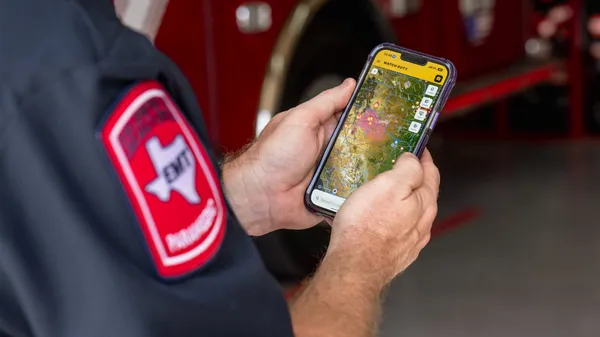
A new tool powered by Google’s Gemini AI converts noisy wildfire radio transmissions into real-time, searchable text, enabling Watch Duty to detect new fire dispatches in under 30 seconds. The system was developed over six months by a Google.org Fellowship team embedded with Watch Duty, a nonprofit run by firefighters and dispatchers. It uses over 20,000 hours of past radio recordings to filter static and translate specialized jargon into clear text, reducing the burden on volunteers who manually monitor up to 20 feeds.
In July 2026, the tool was tested during the Railroad Fire in Washington, where it transcribed a 911 dispatch from noisy radio audio and flagged the incident within 30 seconds. This rapid detection allowed Watch Duty to verify the fire and issue a Critical Alert, breaking through do-not-disturb mode to warn residents before flames reached homes. It marked the first overnight Critical Alert issued by Watch Duty, demonstrating the tool’s impact during nighttime emergencies.
The collaboration between Google and Watch Duty began with the Google.org Fellowship, a pro bono program where engineers and researchers worked full-time for six months. Their goal was to address the challenge of deciphering decades-old analog VHF radio feeds, which are prone to engine noise, wind, static, and rapid tactical language. The resulting AI tool removes this strain, allowing volunteers to focus on incident verification and alert distribution.
The partnership spans Google’s philanthropic, product, and research teams, aiming to scale Watch Duty’s life-saving mission across all 50 states. The new AI radio tool is part of a broader effort to improve wildfire detection and response times, ensuring communities receive timely warnings when fires ignite. The goal is to provide critical alerts while there is still time for residents to act.