The Gemini app is now available on lower-memory Android devices.
Google expands access to the Gemini app by making it available on lower-memory Android devices, enabling voice interactions and visual tools for millions more users.
Google announced the expansion of the Gemini app to lower-memory Android devices, particularly those running Android (Go edition). The move aims to provide access to advanced AI features for users who previously relied on basic voice commands due to hardware limitations. By re-architecting the app, Google ensures the core Gemini experience remains functional on devices with reduced memory capacity. This initiative targets hundreds of millions of users globally who depend on these devices for internet access, education, and business activities.
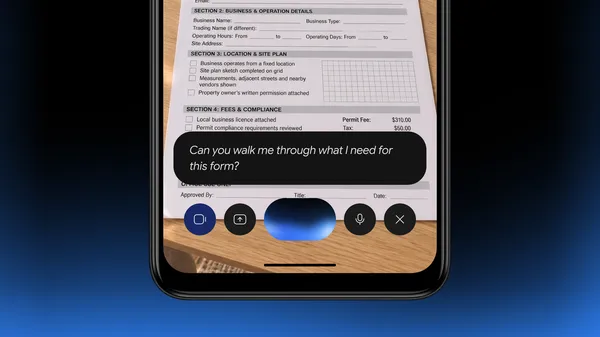
The updated Gemini app introduces new capabilities tailored for lower-memory devices, including voice-based interactions. Users can now engage in conversations with the AI assistant, practice interviews aloud, or receive translations in over 45 languages using Gemini Live. The app also supports visual tools, allowing users to point their camera at notes or forms for instant learning and translation. These features are designed to enhance usability without compromising performance on less powerful hardware.
In addition to voice and visual tools, the Gemini app on lower-memory devices includes Nano Banana, a feature for creating custom images. Users can generate visuals such as flyers for events, advertisements, or personal projects directly within the app. This functionality is particularly useful for small businesses or individuals who rely on these devices for creative tasks. The integration of Nano Banana ensures that users have access to a broader range of AI-driven tools, even on constrained hardware.
To access the Gemini app on supported lower-memory Android devices, users can download it from Google Play. Alternatively, they can initiate the app by pressing and holding the power button on eligible phones. The app will also be preloaded on upcoming devices from partners such as Transsion, further expanding its availability. This rollout underscores Google’s commitment to making AI tools more inclusive and accessible across a wider range of devices.