Step change in efficiency and decarbonisation: Heidelberg Materials opens state-of-the-art kiln line at its Airvault cement plant in France
Heidelberg Materials has commissioned a new €350 million kiln line at its Airvault cement plant in France, replacing older units to cut emissions by nearly 30% and reduce energy use by 10%.
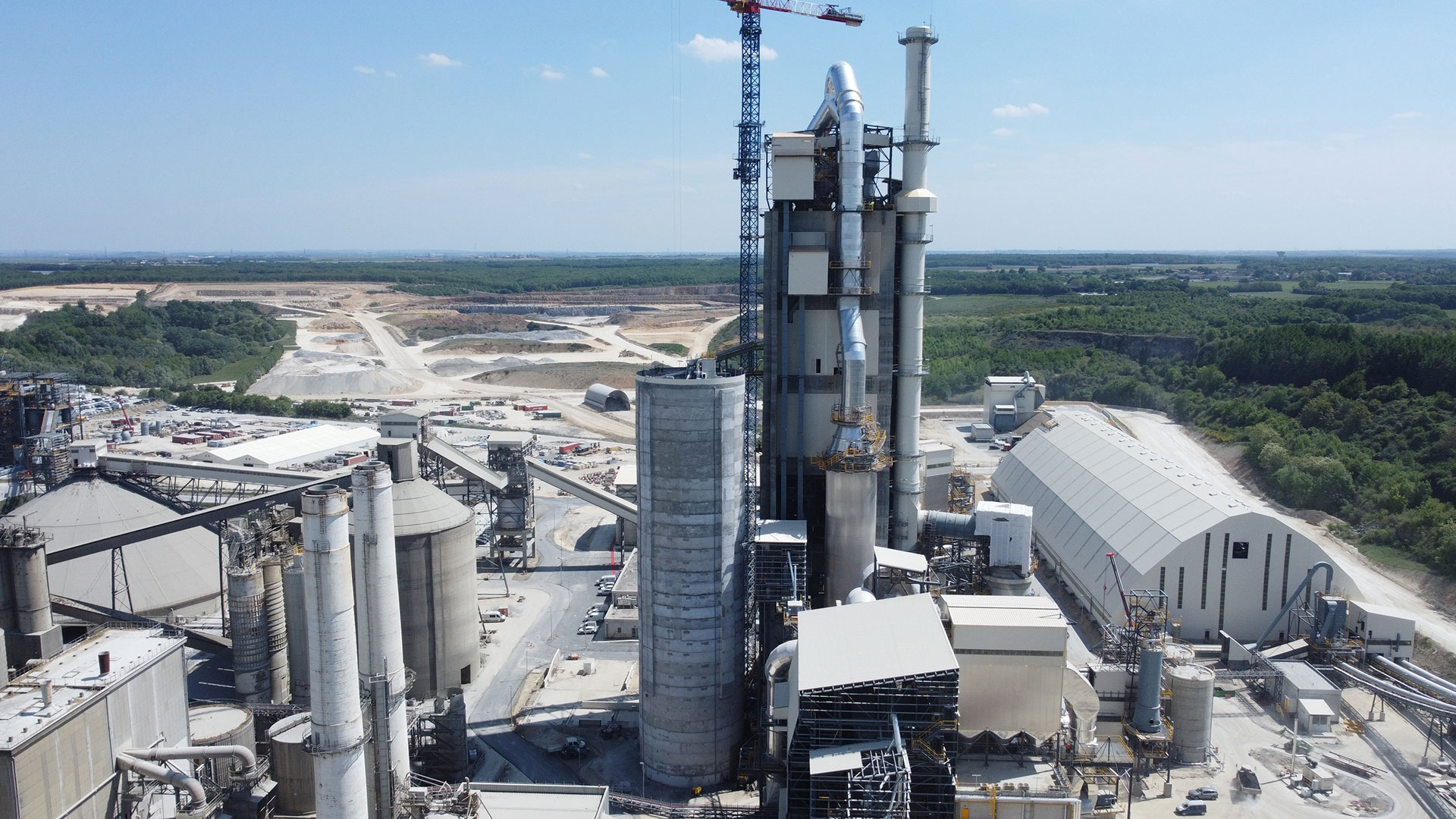
Heidelberg Materials France has activated a new dry kiln line at its Airvault plant, replacing two older semi-dry clinker lines with a 1.25 million tonnes-per-year capacity system featuring a pre-calciner. The upgrade is part of a broader €350 million modernisation project partly funded by the French government, aiming to reduce the plant’s carbon footprint by almost 30% compared to previous production methods.
The modernisation includes measures such as covering nearly 90% of the plant’s energy demand with alternative fuels and lowering electricity consumption per tonne of cement by around 10%. Additionally, the proportion of clinker in the cement will be reduced, further contributing to emissions reductions. These changes align with the site’s decarbonisation roadmap and support the company’s goal to reduce net specific Scope 1 CO₂ emissions to below 400 kg per tonne of cementitious material by 2030.
The project introduces the use of calcined clay in production, which emits significantly less CO₂ than clinker, and marks the launch of Heidelberg Materials’ low-carbon ‘Q cement’ product range. These steps are designed to advance the company’s target of generating over 50% of revenue from sustainable products by 2030 and achieving Net Zero by 2050.
A key component of the Airvault site’s transformation is the AirvaultGOCO₂ project, a carbon capture, utilisation, and storage initiative with a planned capacity of around 1 million tonnes of CO₂ per year. The project is part of the broader GOCO₂ initiative to decarbonise western France and has secured funding from the EU Innovation Fund.