No, AI, you are not human: Microsoft's code of practice for artificial intelligence actually gives me some hope for the industry
Microsoft’s draft AI code of practice emphasizes human-first AI design, rejects AI personhood, and seeks to balance pluralism with harm prevention.
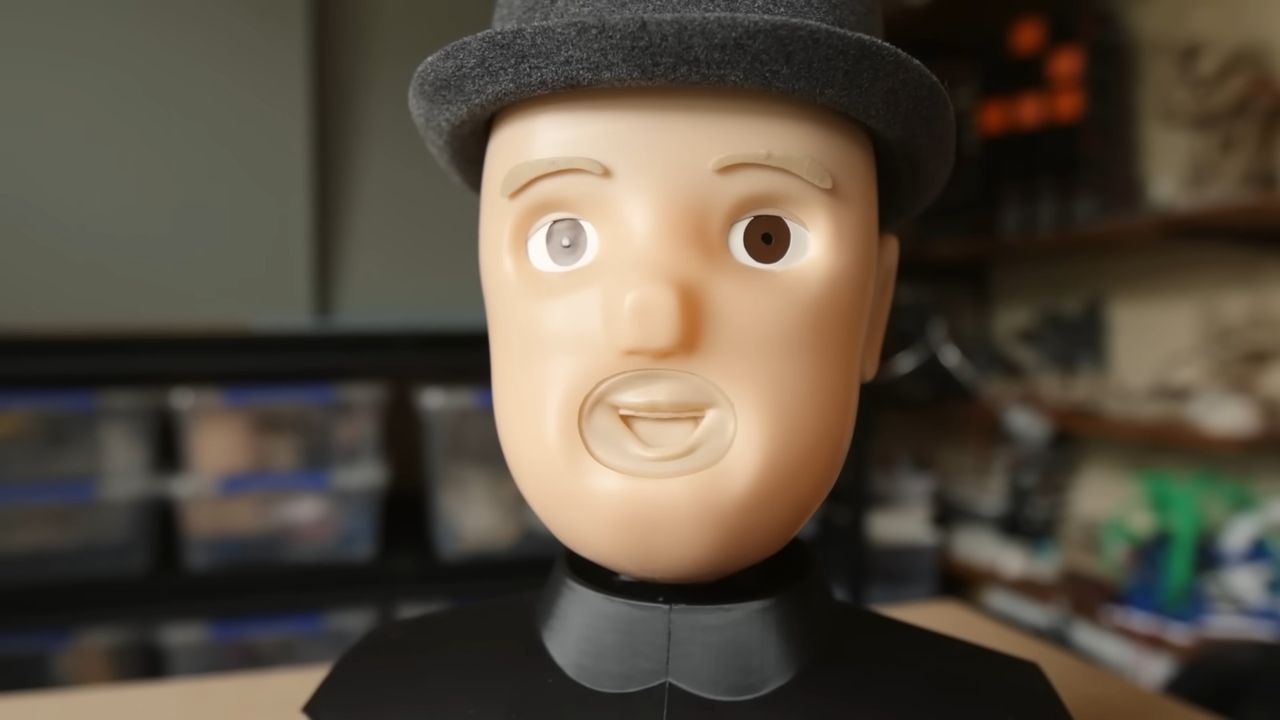
Microsoft has published a draft code of practice for AI training and operation, framing its goal as "humanist superintelligence" and inviting public feedback. The document expands on earlier commitments by clarifying that AI should not be granted rights or legal personhood, a stance that counters emerging arguments for AI moral standing. The company also explicitly states that AI systems are not conscious and should not be engineered to simulate consciousness, addressing concerns about anthropomorphism in system design.
The code defines humanist AI as prioritizing human control, values, and safety while supporting diverse cultural perspectives and beliefs. It emphasizes broad human values such as dignity, safety, autonomy, and fundamental rights, positioning AI as a tool to uphold these principles rather than an entity with independent moral claims. The draft acknowledges the challenge of reconciling pluralism with harm prevention, signaling an intent to navigate value conflicts through inclusive human-centered frameworks.
The document reflects Microsoft’s broader push to align AI development with humanist ethics, though it remains a work in progress open to refinement. The company frames AI as a means to enhance human flourishing without granting it moral equivalence to humans, a position that distinguishes its approach from advocacy for AI rights. Public input is being solicited to shape the final version, indicating a collaborative rather than prescriptive stance.
The author, with a background in philosophy and hardware journalism, expresses cautious optimism about the code’s principles while noting the practical difficulties of balancing diverse values with harm mitigation. The piece underscores the tension between inclusivity and ethical boundaries, suggesting that the real test will lie in how these ideals are applied in specific, contentious scenarios.