Former Elder Scrolls writer Kurt Kuhlmann is '100% convinced' a load-bearing bit of series lore was inspired by a typo
A former *Elder Scrolls* writer claims a foundational lore concept, the Dragon Break, originated from a typo in an internal timeline during *Daggerfall* development.
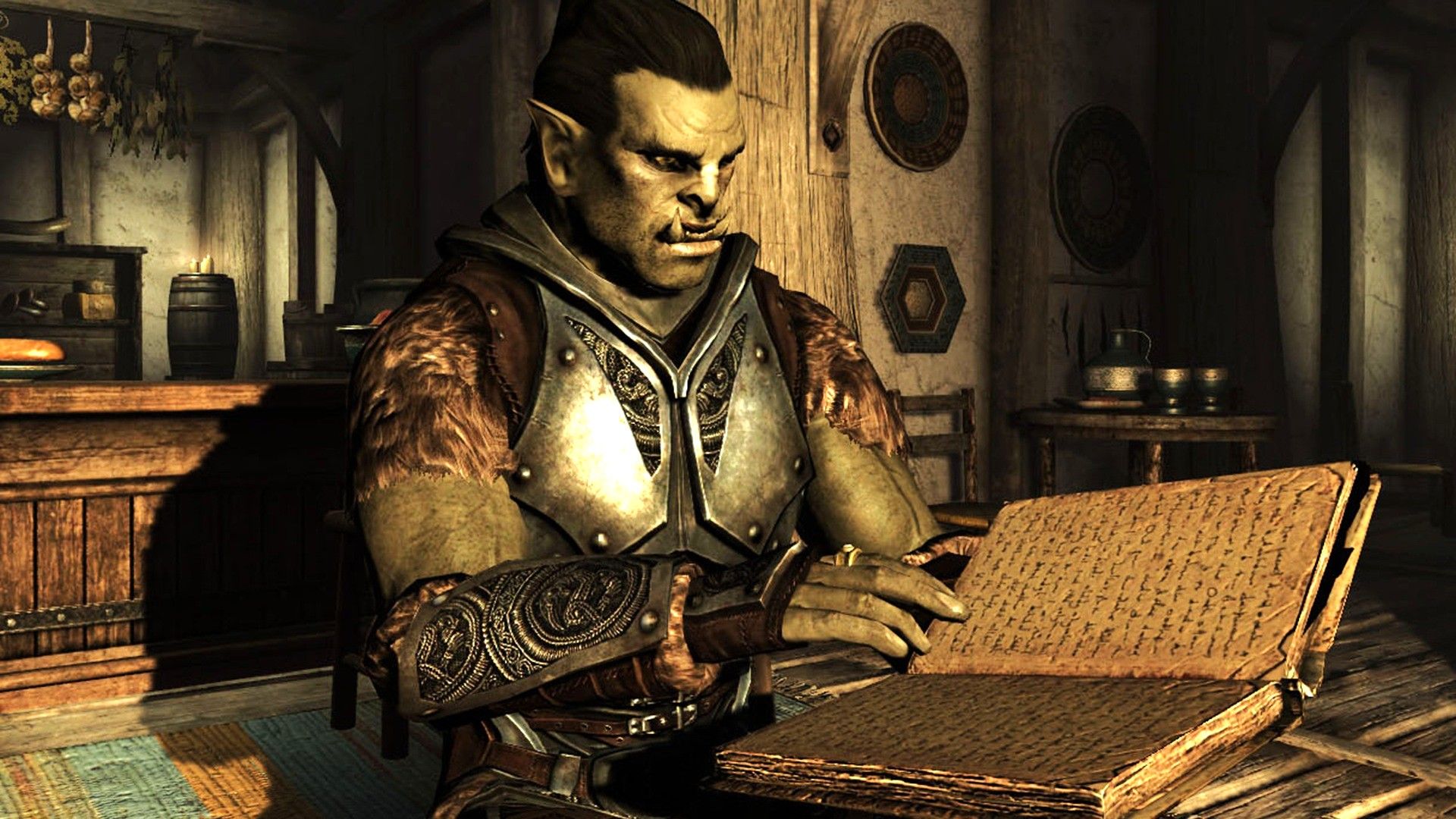
Former *Elder Scrolls* writer Kurt Kuhlmann stated on the FRVR Podcast that the series’ Dragon Breaks, particularly the Warp in the West, likely stemmed from a typographical error in an internal timeline created during *Daggerfall*’s development. Kuhlmann suggested a date was mistakenly skipped, creating a 3,000-year gap that Michael Kirkbride later reinterpreted as a deliberate narrative device. The Warp in the West posits that all endings of *Daggerfall* occurred simultaneously due to magical interference, a concept Kirkbride embraced despite its unintended origins.
Kuhlmann explained that Bethesda’s approach to continuity often involved selecting a single canonical outcome from multiple game endings, but Kirkbride proposed an alternative: embracing all possibilities as a metaphysical phenomenon. This idea was formalized in *Morrowind* through in-game books like *Where Were You When the Dragon Broke* and *Dragon Break Re-Examined*, which introduced historiographic ambiguity and layered time paradoxes. The books even referenced future events as past, reinforcing the series’ signature timey-wimey tone.
Kuhlmann noted that his own contributions to the lore framed the Dragon Break as a result of biased record-keeping rather than supernatural forces, though the concept evolved beyond his original intent. The Warp in the West, later detailed in *Oblivion*’s in-game book, became a cornerstone of *The Elder Scrolls* mythology, despite its accidental genesis. Kirkbride’s influence on the series’ lore, particularly in *Morrowind*, remains a defining aspect of its narrative complexity.
The discussion highlights the challenges of maintaining continuity across RPG sequels, where player choices in one game often conflict with later installments. Bethesda’s willingness to embrace contradictions—such as the Warp in the West—reflects a pragmatic approach to storytelling, prioritizing narrative freedom over rigid consistency. This philosophy contrasts with other studios, which may attempt to reconcile past choices, though no single method has proven universally effective.