The scariest part of Silent Hill: Townfall? It's not the monsters—it's British interior design
Silent Hill: Townfall’s unsettling horror stems not from monsters but from hyper-accurate 1990s British interiors, evoking childhood homes and lost eras.
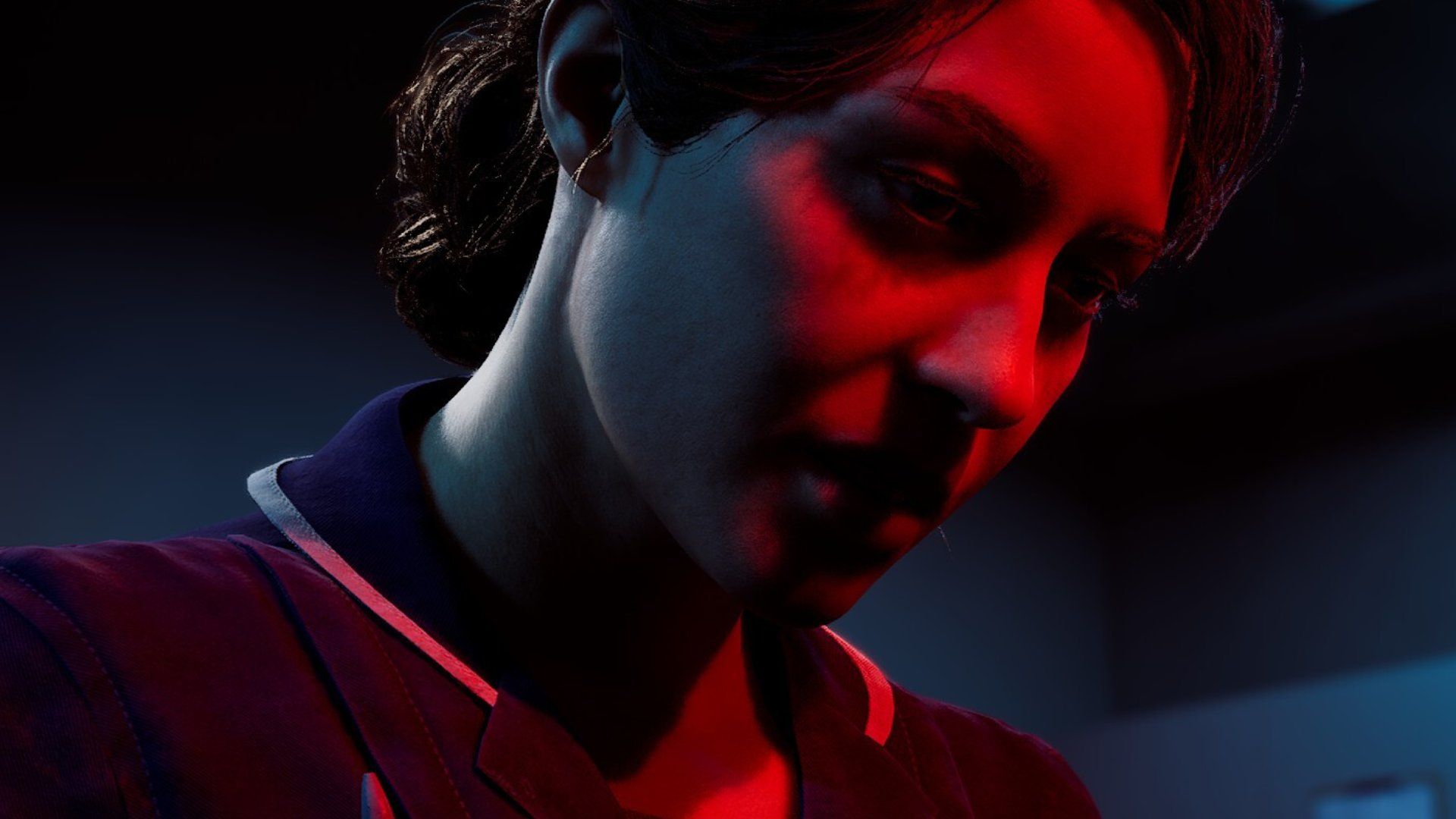
Silent Hill: Townfall’s Scottish island of St Amelia immerses players in a meticulously recreated 1996 British coastal town, blending mundane details like video rental shops and bunting with eerie atmosphere. The game’s Glasgow-based developer, Screen Burn, prioritized authenticity over glamour, avoiding familiar urban settings in favor of overlooked small-town Britain. This approach reflects the team’s regional focus and the rarity of such detailed environmental design in modern games, given budget constraints. The result is a setting that resonates deeply with British players familiar with the era’s aesthetic.
The game’s interiors are the standout feature, drawing from real-life 1970s and 1980s British homes with forensic accuracy in tiling, wallpaper, and appliances. Director Jon McKellan highlighted the team’s use of archival resources, including scanned Argos catalogues, to ensure period-appropriate details like 1990s televisions. This level of specificity extends to gas fires, terraced house layouts, and outdated fixtures, creating spaces that feel both nostalgic and alien. For many British players, these environments evoke childhood memories, amplifying the game’s unsettling tone.
The uncanny familiarity of these interiors is central to Townfall’s psychological horror, contrasting the mundane with the monstrous. Screen Burn deliberately avoided romanticizing British life, instead surrounding these spaces with fog, walls, and creatures to subvert any warmth. The game’s director acknowledged the influence of analogue tech nostalgia, but the interiors represent a hundred deliberate artistic choices. This specificity sets Townfall apart from other British-themed games, which often idealize rural settings. The result is a uniquely unsettling experience rooted in lived experience.
The game’s horror lies in its reflection of generational shifts, where familiar spaces become alien to younger audiences. The author contrasts their reaction to Townfall’s interiors with the Backrooms phenomenon, noting how ordinary places like empty retail units can become terrifying to different age groups. Screen Burn’s work suggests a broader theme: what feels normal now may appear grim or otherworldly in the future. The game’s blend of documentary-like detail and psychological horror redefines Silent Hill’s signature dread, proving that the scariest elements are often the ones we recognize too well.