Wardogs delivers what Battlefield 6 was too console-brained to pull off: A real server browser
Wardogs introduces a functional server browser with official and community servers, contrasting Battlefield 6’s limited Portal system that failed to meet player expectations.
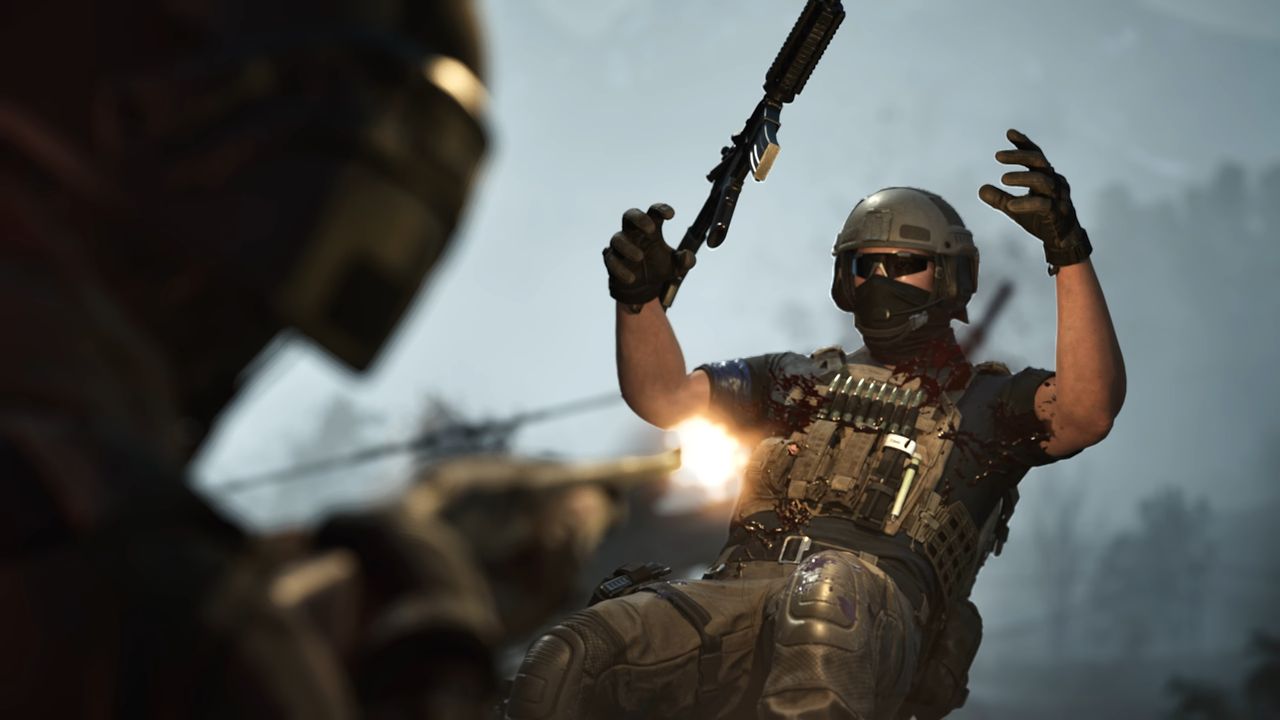
Wardogs has gained popularity among FPS fans for its teamwork-focused gameplay and a server browser that allows players to manually select official or community-hosted servers. The browser displays real-time data like player counts, ping, rulesets, and maps, enabling quick server selection without forced matchmaking. Community servers, hosted by third-party vendors, offer persistent environments with admin oversight to address cheating and griefing. This setup contrasts with Battlefield 6’s Portal, which restricts access to semi-persistent lobbies and has struggled with bugs and XP farming since launch.
Battlefield 6’s developers argued that matchmaking servers spin up and down too quickly to support a traditional browser, citing queuing issues as a limitation. However, Wardogs demonstrates that such challenges can be managed, as its large player base ensures quick server access and short wait times. The game’s manual browsing system also allows for social spaces with regular players and custom rules, features absent in Battlefield 6’s constrained Portal system. Wardogs’ approach aligns with older PC shooters, prioritizing player choice over algorithmic matchmaking.
EA’s decision to limit Battlefield 6’s community support stems from a console-style design philosophy, where algorithmic matchmaking is prioritized over manual server selection. DICE’s lead producer previously defended Portal’s limitations, but the system’s flaws—buggy launches, XP farming lobbies, and poor visibility—have rendered it ineffective for most players. Wardogs’ success highlights the demand for transparent, community-driven server access, a model Battlefield 6 failed to deliver despite early promises of robust community features.
While Wardogs’ server browser is not without flaws—such as missing favoriting, tiered queuing, and group joining difficulties—it represents a significant improvement over Battlefield 6’s restrictive Portal system. The game’s approach reflects a broader trend in PC shooters, where player agency and community-driven servers are valued over automated matchmaking. Battlefield’s miscalculation underscores a disconnect between developer intentions and player expectations in the FPS genre.