World of Warcraft's D&D crossover is neat, but inconsistent—novel on one page, then shrugging and pointing to the PHB you already own on the next
World of Warcraft’s D&D crossover sourcebook offers creative additions like new class options and crafting rules but suffers from inconsistent quality and reliance on existing Player’s Handbook content.
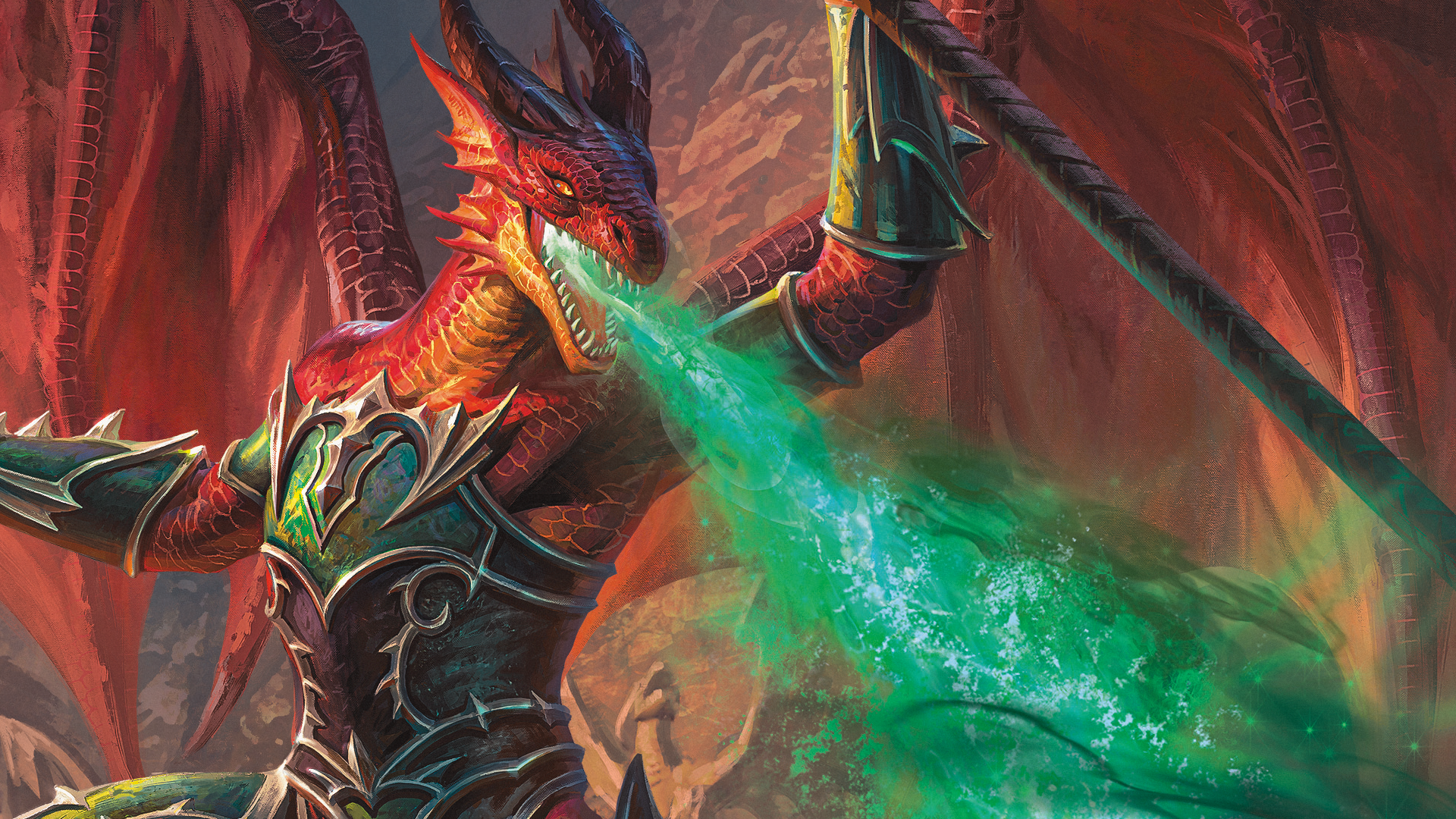
World of Warcraft’s long-awaited crossover with Dungeons & Dragons introduces a sourcebook that blends the two franchises, but its execution is uneven. While some sections provide fresh character options and mechanics tailored to Azeroth, others simply redirect players to the Player’s Handbook, leaving gaps in depth and originality. The inconsistency does not ruin the project entirely, as certain additions—like class adjustments and new spells—stand out as valuable supplements for any campaign.
The sourcebook reimagines several classes by adapting existing D&D templates with World of Warcraft flair, such as the Death Knight, which replaces Paladin abilities with WoW-specific mechanics like Death Coil and an undead steed. However, balance issues arise, particularly with overpowered spells like Divine Shield, a 4th-level effect granting immunity to damage and movement restrictions until the caster’s next turn. Some classes, like the Rogue, receive minimal content, while others, such as Shamans, are awkwardly shoehorned into mismatched archetypes that fail to reflect their in-game roles.
Despite its flaws, the sourcebook includes standout additions like the Frost Mage feat Fingers of Frost, which enhances cold damage against restrained targets. Its crafting system, a long-standing weak point in D&D 5e, introduces structured gathering and profession rules, replacing arbitrary gold costs with material-based progression tied to proficiency bonuses. This system also ties recipes to factions and regions, offering adventure hooks and reducing the reliance on excessive downtime for crafting.
Renown mechanics provide another highlight, rewarding players with faction-specific perks like herbalism bonuses or the Gnomeregan Shield Guardian, which turns hostile if renown drops below 50. The book also includes new dungeon adventures, magic items, and a bestiary, though these additions are overshadowed by the inconsistency. While the sourcebook may appeal to World of Warcraft fans or those seeking improved crafting rules, it falls short of delivering a seamless or fully realized crossover experience.