Paradox grand strategy Afterworld has a wasteland band mechanic that sounds worryingly like a continent-sized game of The Sims
Paradox’s post-apocalyptic grand strategy game *Afterworld* lets players manage a tribe by uniting diverse wasteland bands with distinct needs, from vegetarians to cannibals, through diplomacy or coercion.
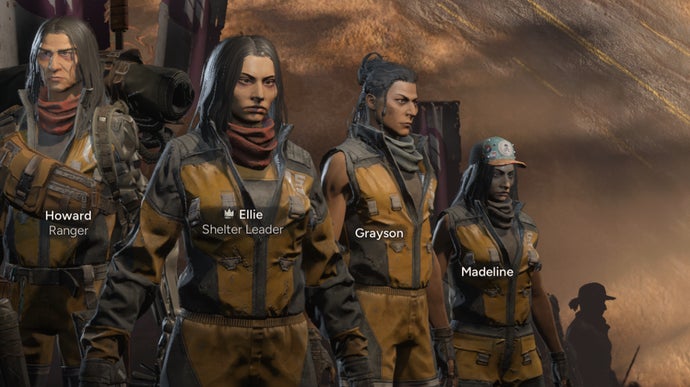
Paradox’s *Afterworld* expands its post-apocalyptic grand strategy reveal through developer blogs, focusing on a tribe-building system where players do not control a single faction but instead unite individual wasteland bands. Each band has unique needs—ranging from shelter and nutrition to bespoke traits like vegetarianism or cannibalism—that influence their motivation and loyalty to the tribe. The system scales these needs based on band size and game conditions, creating dynamic priorities that shift as circumstances change.
Bands prioritize different needs depending on their origins and recent events, such as a group that values nutrition after famine or security following rumors of threats. Players must strategically decide which bands to prioritize, balancing their immediate demands against the tribe’s broader goals. The system introduces immersive choices, where narrative and systemic elements interact to shape the tribe’s direction and cohesion.
The game’s band motivation system includes coercive tactics, such as deploying troops to dominate settlements, which can bypass needs-based motivation but risks rebellion if overused. Developers note this approach offers varying degrees of sustainability, depending on the tribe’s composition and tactics. Players must weigh short-term control against long-term stability, as forced compliance can unravel when conditions change or external pressures shift.
Comparisons to other Paradox titles highlight *Afterworld*’s blend of grand strategy and social simulation, with one developer likening it to managing an unlanded adventurer in *Crusader Kings 3*. The game’s procedural history generation further distinguishes it, crafting a unique apocalypse for each playthrough, ensuring no two experiences are identical.