Don’t mind the gap: level boarding commitment for new trains
New GBR trains will have level boarding as standard to improve accessibility for disabled passengers and families, aligning with a £280 million investment in step-free access across England, Scotland and Wales.
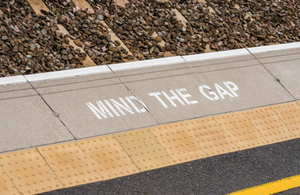
The UK government has announced that new trains operated by Great British Railways (GBR) will include unassisted level boarding as a standard feature, removing barriers for disabled passengers, families with pushchairs, and those with luggage. This commitment applies to all new publicly-run trains wherever feasible, ensuring easier and more independent travel across the rail network. The move is part of a broader accessibility strategy under GBR, which aims to integrate train and platform design to reduce existing gaps.
GBR will prioritise level boarding in new train designs to align with standard Network Rail platform heights, minimising additional costs by integrating accessibility from the outset. This approach follows a coordinated government strategy that oversees rolling stock and infrastructure decisions, marking a shift from fragmented operator-led processes. Recent examples include new GBR trains built by Alstom for the Transpennine Route Upgrade, which already incorporate these accessibility features.
The government is investing £280 million through the Access for All programme to fund over 30 step-free access schemes across England, Scotland and Wales. These improvements aim to enhance passenger confidence and safety by reducing reliance on assistance at stations. The funding builds on the Roadmap to an Accessible Railway, which outlined accessibility improvements ahead of GBR’s establishment.
The announcement reflects a government-led effort to standardise accessibility across the rail network, with GBR overseeing decisions on trains, track, depots and maintenance. By embedding level boarding in new train designs, the initiative seeks to remove longstanding barriers and improve travel independence for all passengers.