Military planes and helicopters to fight wildfires from the sky
The UK government will deploy military aircraft for aerial firefighting and invest £70 million to bolster wildfire resilience, including £45 million for new firefighter equipment and £25 million for peatland restoration.
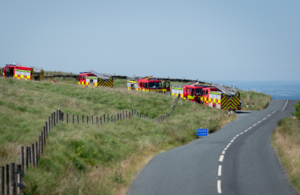
The RAF’s Chinook helicopters and A400M aircraft will be equipped with specialist firefighting gear for the first time, enabling aerial support to tackle wildfires in remote and challenging terrain across the UK. Firefighters will receive up to £45 million worth of lightweight, breathable protective equipment designed specifically for wildfire conditions, replacing heavier gear unsuitable for prolonged use. The government will invest £25 million to restore peatlands in England, which will retain more water and act as natural firebreaks, alongside funding for farmers to implement fireproofing measures on their land. Additional measures include potential local restrictions or product bans to prevent fires during high-risk periods, as part of a broader £70 million package to enhance wildfire preparedness and response.
The announcement follows the UK’s hottest summer on record, with climate change increasing the likelihood of extreme heat events. Defence Secretary Grant Shapps highlighted the need for immediate action to prevent a repeat of this year’s devastating wildfires, which caused significant damage to communities and the countryside. The government will convene an interministerial meeting with devolved administrations to coordinate a unified national response to wildfires. A summit today will bring together fire chiefs, local leaders, experts, and businesses to discuss strategies for improving resilience and preparedness for future wildfire threats.
The government will also establish a centre of excellence within Whitehall, leveraging technology from partners such as Airbus, Google, and Vodafone to enhance wildfire tracking, early warning systems, and emergency response coordination. This includes satellite monitoring, aerial capabilities, and resilient connectivity to ensure communities can access trusted information and emergency services can coordinate effectively during crises. The centre aims to share best practices and strengthen national preparedness through collaboration with academic institutions and international partners.
The package builds on the UK’s existing expertise in wildfire management, including the world’s first Climate and Nature Security Taskforce, which identifies key climate risks and shapes government policy. The government acknowledges that while not every wildfire can be prevented, these measures aim to ensure the UK is better equipped to respond to and recover from future incidents. The focus remains on protecting communities, supporting firefighters, and adapting to the increasing threat posed by climate change-driven extreme weather.