Minister McNeill speech: From Hunger Hotspots to political action
Development Minister Kirsty McNeill warns of escalating global hunger crises driven by conflict, climate pressures and economic instability, urging a political response beyond humanitarian aid.
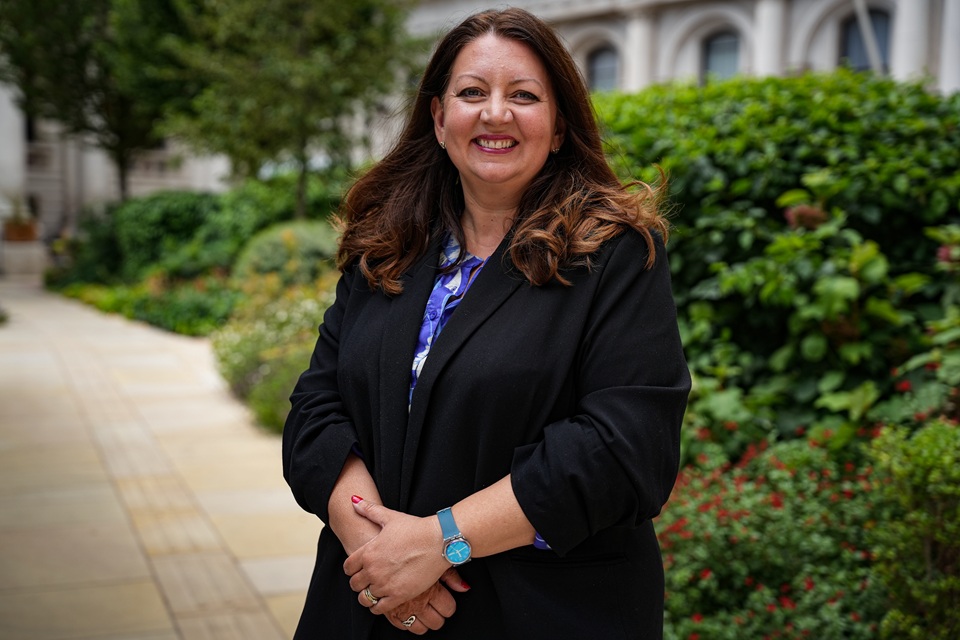
Development Minister Kirsty McNeill highlighted that emergency food insecurity levels are already severe in regions such as Sudan, Somalia and Yemen, with compounding pressures from climate change, geopolitical tensions and economic instability. She noted that rising fuel and fertiliser costs, exacerbated by conflicts around the Strait of Hormuz and the Red Sea, are straining global supply chains and government resources. McNeill also pointed to the anticipated impact of a developing 'super' El Niño, which threatens harvests across the Horn of Africa and beyond, further intensifying food insecurity. The humanitarian system, including the World Food Programme, is described as overstretched, with recurring crises demanding a fundamental shift in how preparedness and resilience are approached.
McNeill argued that food insecurity is fundamentally a political issue, as food prices influence living standards, public trust in systems and government stability worldwide. She stressed that addressing hunger requires a broader understanding of power dynamics, both within and between countries, rather than treating it solely as a humanitarian or development challenge. The Minister emphasised that food security must be integrated into a wider framework of security concerns, including health, climate, human and economic security. This approach aligns with the five securities outlined in her previous speech at SOAS, which will guide her work as Development Minister.
The Minister outlined three priorities for the UK Government’s response to looming food insecurity risks, starting with recognising food as a critical component of national and global security. She highlighted the need to address inequalities and power imbalances that exacerbate food insecurity, both domestically and internationally. McNeill also underscored the importance of immediate humanitarian responses alongside long-term resilience-building efforts to mitigate future crises.
McNeill concluded by framing food insecurity as a question of power, requiring collective action from all government ministers, not just those in development roles. She noted that the new Labour Government, marking its 100th day in office, is prioritising fairer power-sharing and systemic reforms to ensure systems work for everyone. The Minister called for a political reset in how global policymakers address hunger, positioning it as a central challenge for the Government’s agenda.