Rolling five-year review of seafarer syllabus to ensure training fit for the future
The UK’s Maritime and Coastguard Agency (MCA) will conduct a rolling five-year review of the seafarer training syllabus to ensure it remains current with evolving vessel technology, safety standards, and regulatory requirements.
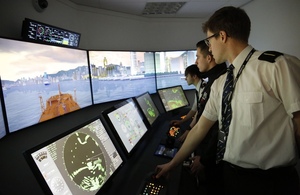
The Maritime and Coastguard Agency (MCA) has launched a rolling five-year review of the UK maritime training syllabus, developed in partnership with industry stakeholders. The initiative ensures training centres teach up-to-date skills aligned with modern vessel technology, enhanced safety standards, and improved practices. Changes will be integrated into electronic Training Record Books (eTRBs) and digital assessments, replacing the previous fixed revision cycle. The MCA leads the Cadet Training and Modernisation (CT&M) Programme, which oversees the review process through a dedicated sub-group including shipping companies, training providers, and industry bodies.
The next syllabus update is scheduled for 2030, with training centres receiving the revised edition in 2029. The CT&M Programme, established in 2021, aims to align training with technological advancements and evolving maritime practices. The MCA, as the regulator, does not deliver training but ensures standards are maintained through assessments and audits of training providers. The five-year review cycle replaces the previous approach, allowing faster adaptation to changes in vessel technology and safety requirements.
The review process is supported by the CT&M Programme’s Oversight Committee, which sets strategic direction and reports to the Maritime Minister. The syllabus sub-group, meeting quarterly, includes expanded industry representation to ensure practical and relevant updates. This collaborative approach is intended to keep UK seafarer training aligned with the realities of modern shipping, including alternative fuels and environmental regulations. The MCA states that maintaining high training standards is critical to supporting seafarers’ careers and the UK’s maritime economy.
The initiative stems from recommendations by the Seafarer and Cadet Training Review, commissioned by the Maritime Minister in 2021. This review brought together regulators, training providers, unions, and industry experts to shape a more responsive training framework. The MCA highlights that this is the first time a maritime regulator has partnered with industry in this way to co-design seafarer training standards. The rolling review ensures the syllabus remains ambitious, practical, and relevant to the evolving demands of the maritime sector.