Who gets to shape AI? UN debate centres on power, trust and inclusion
UN leaders debated AI governance during High-Level Week, balancing innovation with risks, accountability, and global inclusion amid divergent national priorities.
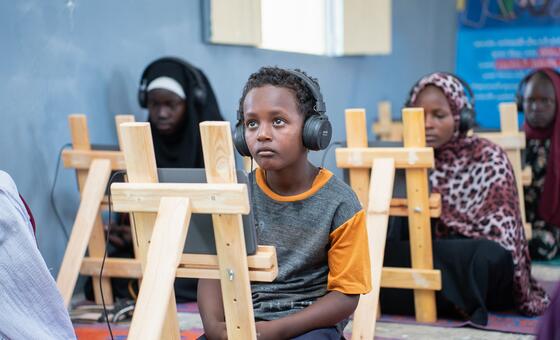
The United Nations convened global leaders during High-Level Week to address AI’s rapid advancement, focusing on who shapes its rules and benefits. While nations acknowledged AI’s potential to advance medicine, science, and opportunity, they remained divided on risks, governance, and preventing exclusion. Secretary-General António Guterres emphasized AI’s promise but warned of dangers from unchecked technology, framing accountability as the core challenge. President of the General Assembly Khalilur Rahman highlighted AI’s dual role as a progress accelerator and a source of job losses and digital divides, calling for science-based guardrails.
Switzerland stressed the need for regulation that builds trust without stifling AI’s benefits, while Japan prioritized cooperation on frontier AI safety. Saudi Arabia emphasized ethical and responsible AI use, and Singapore proposed cross-border incident reporting and testing frameworks. Guterres cautioned against technology without oversight, stating that capability without accountability poses the greatest risk to global stability. The debate underscored the tension between innovation and safeguarding against misuse.
The UK highlighted AI’s potential for faster cancer diagnoses, economic renewal, and improved public services, while warning of disruptions to daily life and work. India described AI as a transformational tool for human empowerment and economic prosperity, positioning it as a driver of large-scale problem-solving. The UK reiterated that fundamental AI decisions must remain with elected governments to ensure accountability to working people. These perspectives reflected broader concerns about AI’s impact on inequality and societal structures.
South Africa and India advocated for greater African and national sovereignty in AI governance, respectively, emphasizing the need for countries to shape their own AI ecosystems. China called for a people-centered approach to AI, aiming to narrow the digital divide and promote universally beneficial development. Singapore proposed a future UN framework convention and a dedicated international AI institution to ensure inclusive participation. The UN has initiated discussions, including an Independent International Scientific Panel on AI and a Global Dialogue on AI Governance, to address these challenges.