Arm Viewpoints: How AI and biometrics are powering equitable immunization in Ghana
Ghana is piloting biometric and AI tools on Arm-based devices to improve childhood immunization tracking, addressing gaps where 850 million people lack formal identification and preventing missed or duplicate vaccine doses.
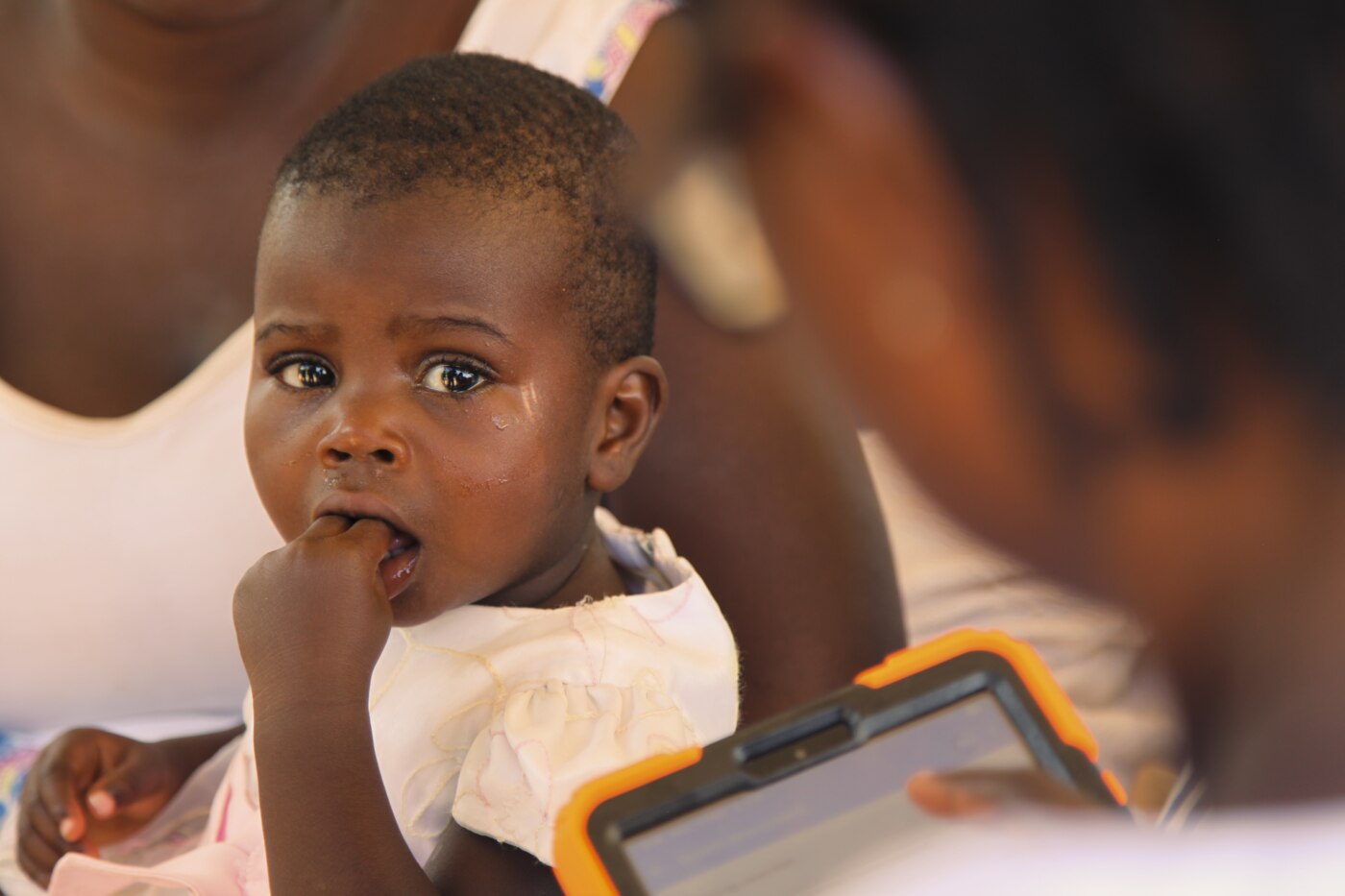
Ghana is testing a system that combines biometric identification with AI-powered tools running on Arm-based devices to support community health workers delivering multi-dose vaccines, including the malaria vaccine. The initiative aims to address a persistent challenge in global health: the identification gap, where 850 million people lack formal identification, leading to fragmented patient records and missed or duplicate vaccine doses. The collaboration involves Simprints, Gavi, and Arm, focusing on equitable immunization by ensuring accurate tracking of vaccine recipients in low-connectivity environments.
Simprints, a social enterprise co-founded by Tristram Norman, provides biometric identification technology designed for last-mile healthcare delivery in underserved regions. The system uses fingerprints to create unique patient records, enabling health workers to verify identities and track vaccination history. This approach helps prevent children from being left unprotected due to incomplete or duplicated records, particularly in areas where formal identification is scarce.
Gavi, the Vaccine Alliance, plays a key role in scaling innovative solutions through its INFUSE platform, which identifies and accelerates promising technologies for immunization systems. Bertrand Pedersen, Senior Manager at Gavi, highlights the alliance’s focus on leveraging private sector expertise to address global health priorities. The partnership with Simprints and Arm aligns with Gavi’s mission to improve vaccine coverage in low- and middle-income countries.
Rosalie Tribe, who leads Social Impact and Innovation Partnerships at Arm, emphasizes the importance of collaboration between technology innovators, public health leaders, and frontline health workers. The Ghana pilot demonstrates how edge AI and biometric systems can strengthen immunization programs by ensuring no child is overlooked. The initiative underscores the potential of digital identity to create lasting impact in global health systems.