From end-of-life vehicles to new cars: Car2Car research project demonstrates feasibility of high-quality material loops on an industrial scale
The BMW Group and partners demonstrated that 51% of materials from end-of-life vehicles can be recovered at high quality for reuse in new cars, up from 6%, with steel, aluminium and copper showing the greatest potential.
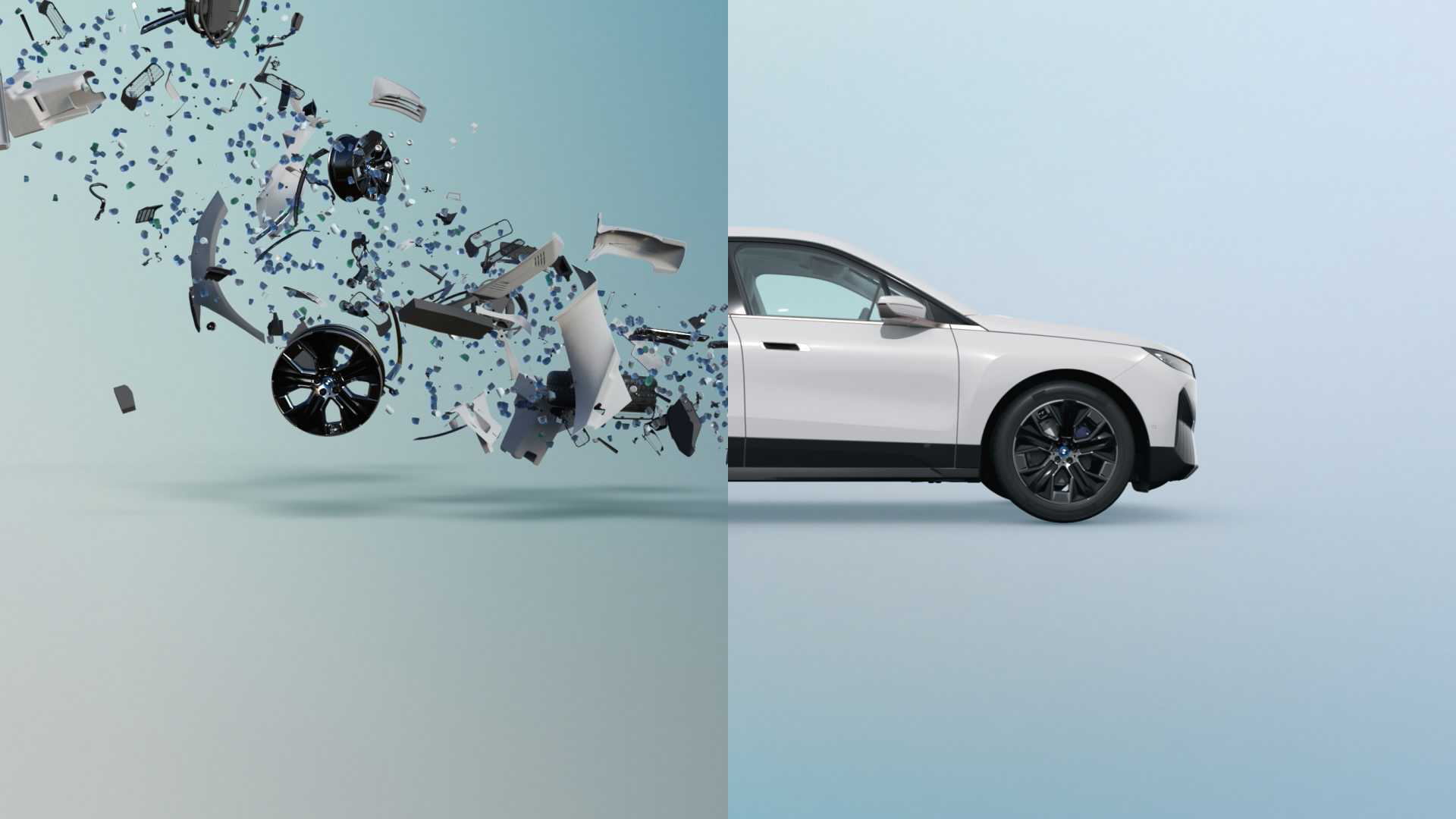
The Car2Car research project, led by the BMW Group and partners, proved that high-quality material loops in automotive recycling are technically feasible. By expanding processing and sorting methods, the project increased the 'Car2Car rate'—the share of materials recoverable for reuse in new vehicles—from 6% to 51%. The most significant gains were observed in steel, aluminium and copper, while plastics and glass presented greater technical challenges. The findings underscore the need for further investment in disassembly, sorting and recycling infrastructure to scale these processes.
The project tested its approach in an industrial field trial at BMW Group Plant Leipzig, where over 100,000 vehicle parts were produced using steel recovered from 433 end-of-life vehicles. This demonstrated that high-quality automotive components can be manufactured from recycled materials without requiring additional dismantling beyond standard industry practices. The process involved reducing copper contamination in steel scrap through targeted sorting, enabling the production of flat steel suitable for modern automotive applications.
Despite the progress, the project highlighted that not all materials can be recycled at the same level of quality. While metals like steel, aluminium and copper showed strong recovery potential, plastics and glass remain difficult to process into high-quality automotive recyclates due to complex material structures and stringent quality standards. The research identified the need for tailored process chains and advanced technologies to address these challenges.
The Car2Car consortium included BMW AG, academic institutions such as TU Bergakademie Freiberg and Technical University of Munich, and industry partners like Scholz Recycling, thyssenkrupp Steel Europe and Aurubis. The project’s results will inform the BMW Group’s circular economy strategy and contribute to the development of regulatory frameworks, such as the European ELV Regulation, to support higher material recovery rates in the automotive industry.