Could a data center’s waste heat warm a North Carolina town?
A North Carolina town is negotiating a groundbreaking deal with a data center to fund its clean energy plan and reuse waste heat, potentially setting a U.S. precedent.
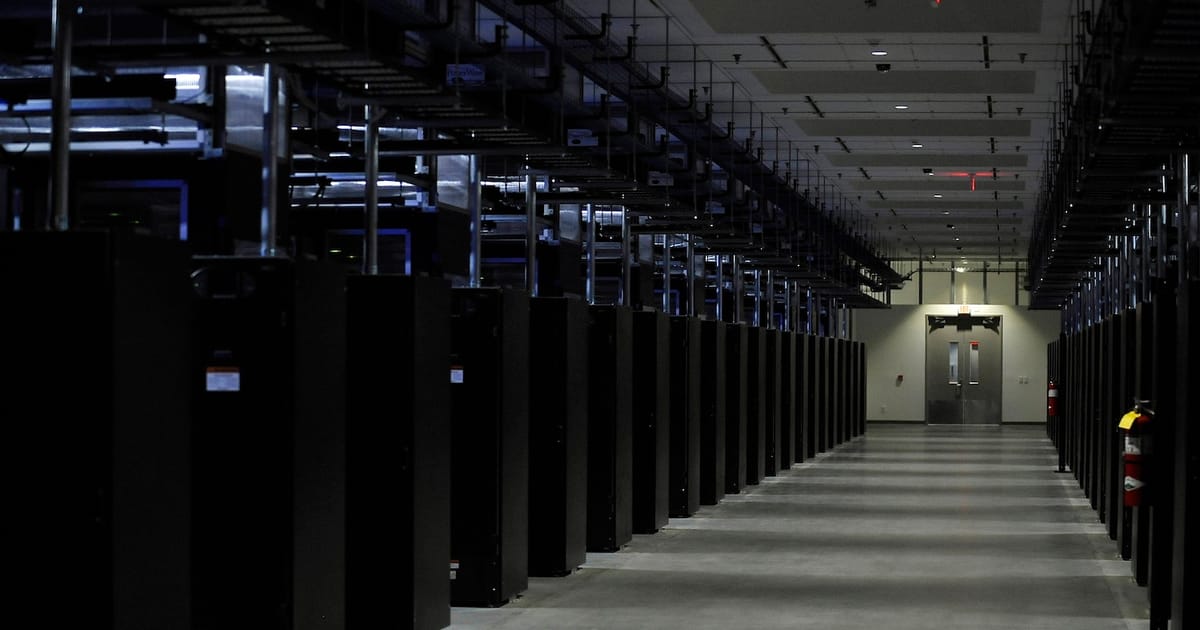
Enfield, a predominantly poor and majority-Black town of 2,000 in North Carolina, is finalizing a community benefits agreement with Wyoming-based Quiet Data Centers for a 100,000 square-foot facility located 2 miles outside town. The agreement would require Quiet to fund a $500 clean energy initiative, including a solar farm, substation, and a thermal energy network to capture the data center’s waste heat for local heating and cooling needs.
Mayor Mondale Robinson is pushing for the data center to integrate with the thermal energy network, which could supply the entire town’s heating and cooling demands—a first in the U.S. if realized. The network uses ground-source heat pumps to transfer heat between buildings and the earth via buried pipes, offering a quieter and potentially cheaper alternative to traditional cooling methods.
Quiet Data Centers has committed to using closed-loop cooling to reduce water use and will rely on Dominion Energy’s grid for electricity, with backup generators limited to 30 minutes per month on average. The company is also exploring groundwater-based heat dissipation, leveraging the region’s abundant coastal plain sediments, as part of ongoing feasibility studies led by Duke University researchers.
The proposed agreement follows a broader national backlash against data centers, with over 450 moratoriums already in place across the U.S. Enfield’s model could serve as a template for other communities seeking sustainable development, though experts caution that community benefits agreements alone are not a complete solution without additional policy safeguards.