In the South, heat pumps are the secret to a more reliable grid
A new report argues heat pumps can cut winter blackout risks in the U.S. South by reducing demand from inefficient electric furnaces, saving billions and avoiding costly new power plants.
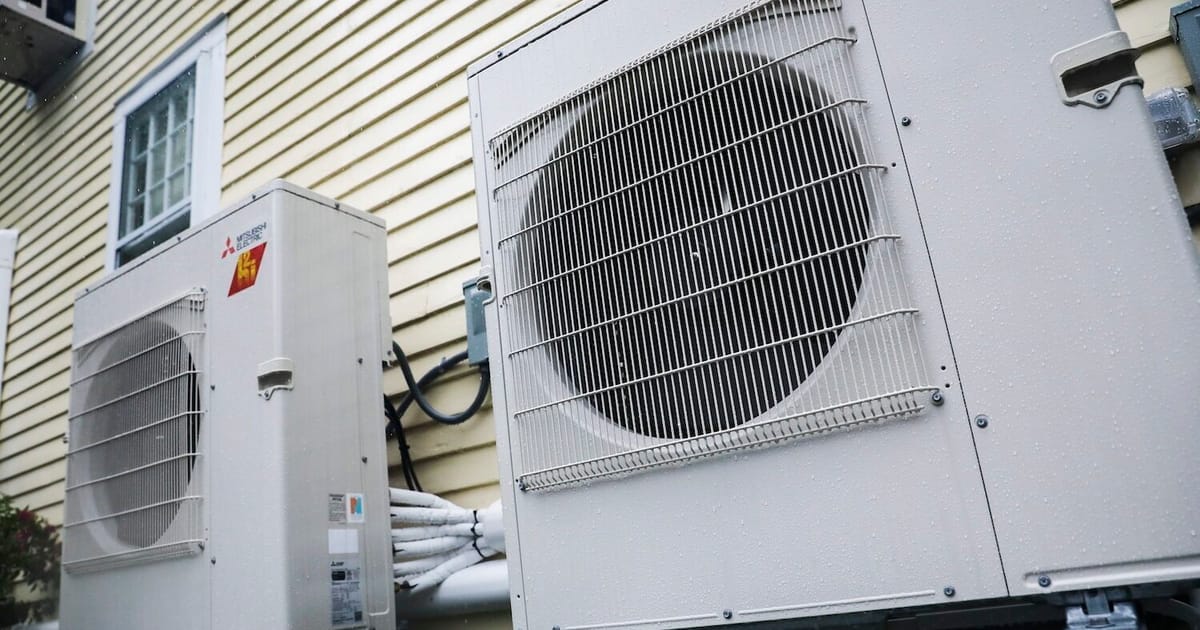
Winter Storm Elliott in 2022 left 1.6 million households in North Carolina and Tennessee without power during subfreezing temperatures, exposing grid vulnerabilities. Regulators initially focused on winter-proofing gas plants, but a new report suggests reducing demand through heat pump adoption is a more cost-effective solution. The report, co-authored by the Regulatory Assistance Project and the American Council for an Energy Efficient Economy, highlights that 8 million Southern homes still rely on inefficient electric resistance furnaces, which consume excessive power compared to heat pumps.
The report finds that widespread heat pump deployment could eliminate the need for 100 peaker plants, which operate only during peak demand and are among the grid’s most expensive units. Building equivalent new plants would cost six to nine times more than the savings from heat pump efficiency, according to the analysis. Forest Bradley-Wright, a co-author, emphasized that improving home-heating efficiency avoids unnecessary infrastructure costs that all customers ultimately fund.
Households with outdated electric heaters and central air conditioning are identified as prime candidates for heat pump installation. The report estimates a whole-home heat pump costs about $560 more upfront than a traditional air conditioner but reduces annual electricity bills by $250, paying for itself in roughly three years. Over 15 years, cumulative regional savings could reach nearly $30 billion, far exceeding the $4.8 billion investment required.
Policy action is critical to accelerate adoption, including rebates for upfront costs and incentives for contractors to offer heat pumps at point of sale. The report also proposes "inclusive utility investment," where utilities cover initial costs repaid through monthly bills, with programs already underway in states like North Carolina and Virginia. State regulators are urged to prioritize demand-side measures like heat pumps over expensive fossil fuel infrastructure in long-term utility planning.