California’s long road to make EV charging more reliable
California has finalized rules to improve public EV-charging reliability, requiring performance data and standardized software protocols for state-funded projects.
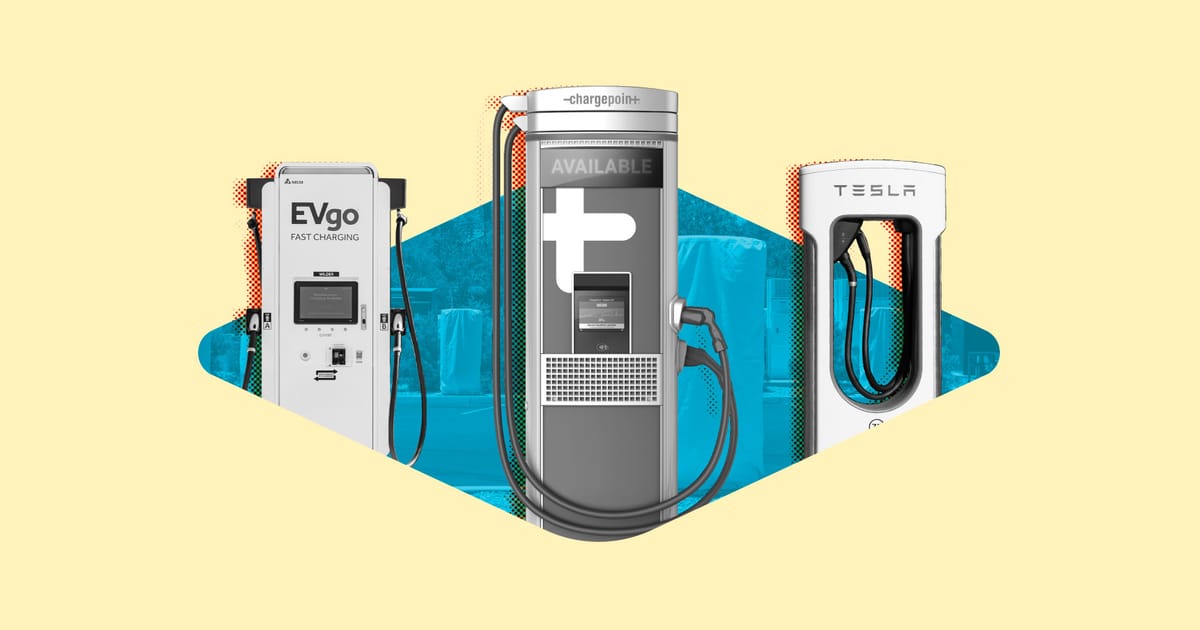
California has more electric vehicles than any other state and has taken the lead in addressing unreliable public EV charging through legislation passed in 2022 and 2023. These laws directed the California Energy Commission (CEC) to enforce reliability and data-sharing standards for charging projects receiving state funds or regulated utility support. After years of development, the CEC’s rules are now in effect, mandating hourly performance reporting and the use of approved equipment and software for applicants seeking incentives from the California Electric Vehicle Infrastructure Project (CALeVIP).
The CEC’s requirements include supporting OCPP 2.0.1, a communication standard that allows chargers and network systems from different vendors to interact, reducing the risk of stranded drivers if a company exits the market. This follows the 2024 shutdown of Enel X Way’s North American charging business, which left roughly 25,000 chargers inoperable due to nonstandard software. Industry figures like Michael Bakunin of Epic Charging note the strictness of these rules but argue they will help future-proof charging infrastructure.
Despite progress, gaps remain in ensuring full charger reliability. Kameale Terry of ChargerHelp highlights missing or incomplete data as a major obstacle, noting that repair crews often lack the information needed to diagnose failures. She also points to unresolved issues in managing the handoffs between diagnostics, EV communications, and payment systems, which can disrupt charging sessions. Terry credits the 2022 law for pushing the CEC to collect more data but says enforcement and clearer rules are still needed.
California is balancing regulation with innovation to address these challenges. The CEC awarded a $4 million grant to the Capital Charge Yard, a Sacramento testing lab opened in August that involves companies like ABB, ChargePoint, EVgo, and Tesla. The lab, managed by the California Energy, Power, and Innovation Collaborative, will train technicians and test chargers to ensure they function correctly upon installation, aiming to reduce malfunctions and improve interoperability across systems.