What kind of virtual power plant would you choose?
A University of California, San Diego-led project will let 200 households design their own virtual power plant rules over 12 months, aiming to expand participation beyond current utility and tech-company offerings.
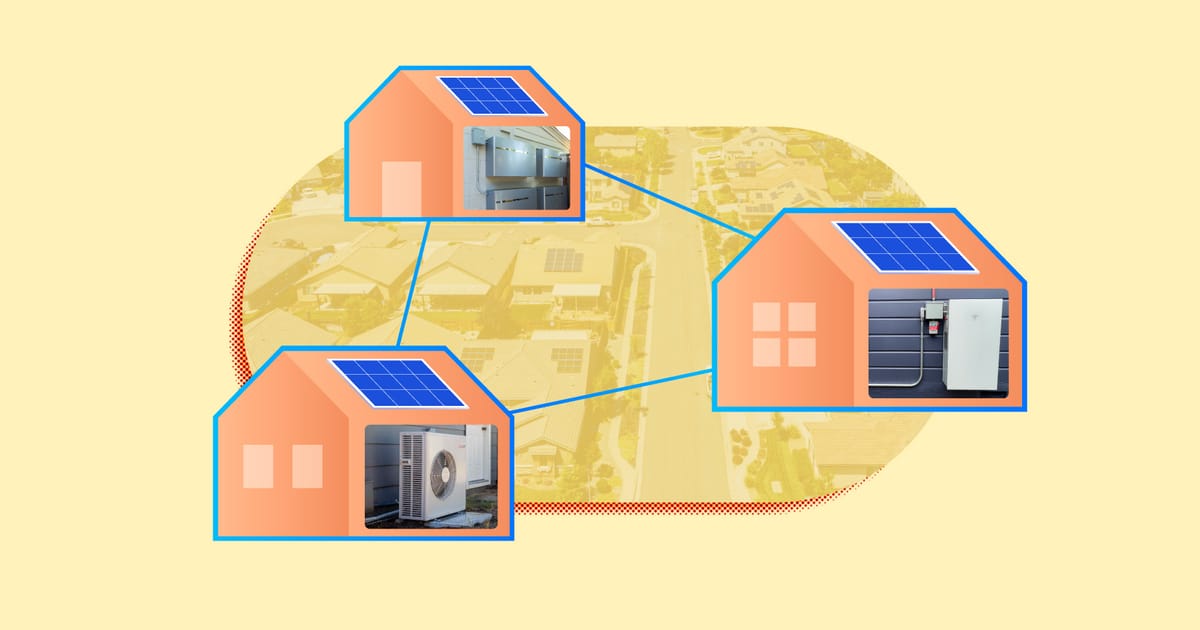
A new Living Laboratory project led by the University of California, San Diego’s Design Lab will recruit about 200 California households with solar panels, batteries, EVs, and smart devices to co-design the rules for hypothetical virtual power plants. The 12-month initiative, part of the Agile Electrification Project, seeks to uncover how households would share electricity, under what conditions, and for what incentives, producing data to inform broader VPP programs.
Participants will respond to surveys exploring standard VPP trade-offs, such as reducing air conditioning during heat waves or reserving battery power for blackouts, while also revealing personal motivations like financial gains, clean energy use, or supporting neighbors with medical equipment. The responses will guide the creation of multiple hypothetical VPP programs tailored to diverse household priorities.
Software startup Balto Energy will analyze how each home’s participation in these programs would alter their hourly electricity usage, while the UCSD-backed DERConnect lab will simulate the collective impact on California’s grid using advanced modeling tools. The goal is to provide utilities and policymakers with actionable insights to design fair and scalable VPP programs.
The project follows a 2024 pilot in Sonoma County involving 60 homes sharing fossil gas data, and comes as California faces funding cuts to major VPP programs like the Demand Side Grid Support initiative, which recently reached 745 megawatts of capacity during extreme heat but may struggle to retain customers without renewed support.