What's up with Pennsylvania's hydrogen hubs?
Federal funding for Pennsylvania’s hydrogen hubs, once seen as transformative, now faces uncertainty under the Trump administration, leaving projects stalled and economic promises unfulfilled.
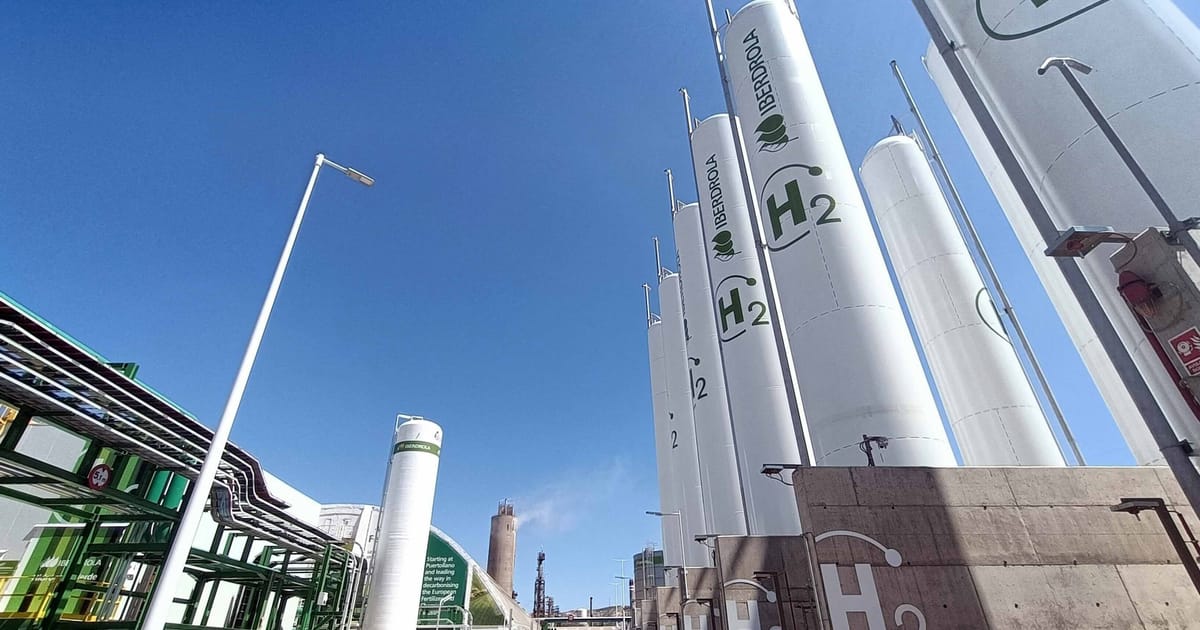
Three years ago, Pennsylvania’s Mid-Atlantic Clean Hydrogen Hub (MACH 2) and Appalachian Regional Clean Hydrogen Hub (ARCH 2) were positioned as pivotal to the state’s energy future, backed by $7 billion in federal funding and bipartisan support. MACH 2, focused on green hydrogen, aimed to create over 20,000 jobs in the Delaware Valley with a $750 million Department of Energy award, while ARCH 2 targeted blue hydrogen production in Western Pennsylvania’s steel industry with $925 million in funding.
Today, both hubs are in limbo, with ARCH 2 effectively abandoned and MACH 2 stalled amid federal budget uncertainty. Partners have distanced themselves, and the Department of Energy has not provided clarity on funding continuation, leaving investors hesitant to commit. Community groups and experts report no progress for months, despite claims from MACH 2’s CEO that the award remains active.
The hubs’ struggles stem from broader challenges in the hydrogen industry, including debates over 45V tax credits and the high costs of producing green hydrogen. Environmental groups have long opposed hydrogen as a climate solution, citing its inefficiency and potential to worsen methane emissions. Even with subsidies, experts argue clean hydrogen is unlikely to compete with fossil fuels for most applications.
Under the Biden administration, MACH 2 partnered with SEPTA to test hydrogen buses, but its primary early customers were slated to be oil refineries, drawing criticism from environmental and community groups. While the Trump administration preserved hub funding, the future of individual projects remains unclear, with producers facing hurdles in securing customers and meeting tax credit deadlines.