Newsom finally says yes to virtual power plants
California Governor Gavin Newsom signed bills to expand virtual power plants, aiming to curb rising electricity costs by leveraging rooftop solar, EV chargers, and smart devices to reduce grid strain and utility spending.
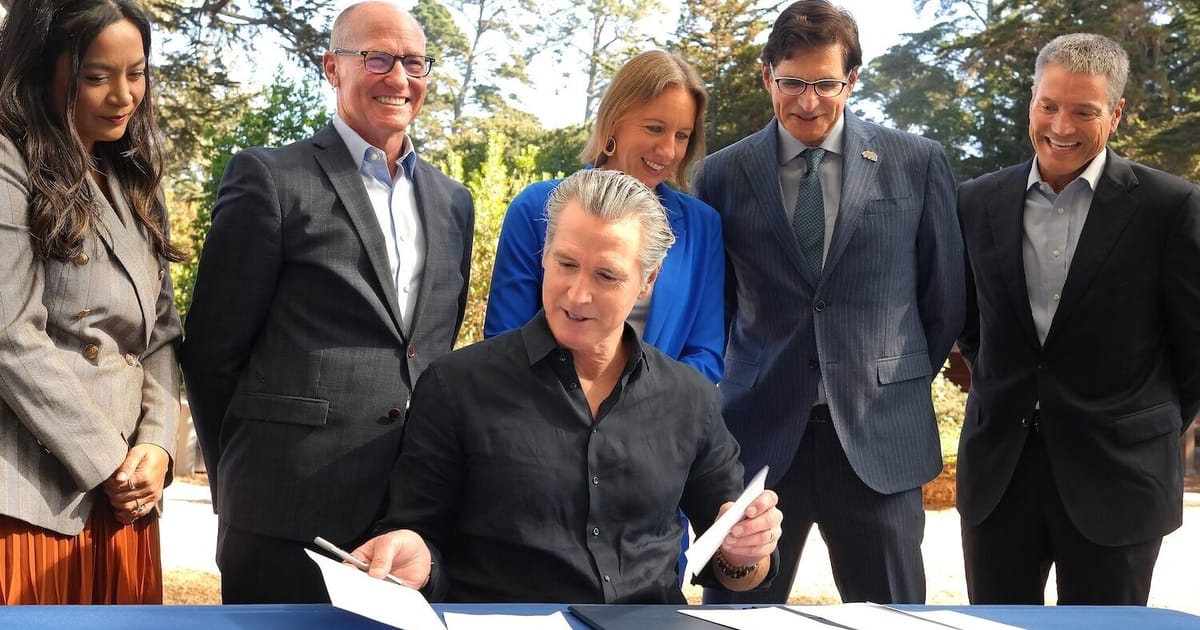
California Governor Gavin Newsom signed legislation on Wednesday to expand the use of virtual power plants, which aggregate rooftop solar-charged batteries, EV chargers, and smart thermostats to reduce reliance on costly grid investments and gas-fired power plants. The move addresses rising electricity costs in the state, where average residential rates have doubled the U.S. average over the past decade despite record utility profits. Consumer advocates and clean energy groups praised the decision, highlighting Newsom’s focus on affordability and accountability in utility spending.
Two bills, Senate Bill 905 and Senate Bill 913 authored by state Sen. Josh Becker, aim to reduce utility costs by leveraging millions of customer-owned devices to shift power demand away from peak hours. SB 913 targets the cost of aging gas-fired 'peaker' plants by instructing regulators to better measure and reward the grid value of these devices, while SB 905 requires utilities to assess grid utilization to identify opportunities for cost-saving alternatives like virtual power plants.
Newsom’s approval of the bills marks a shift from his previous opposition to virtual power plants, where he vetoed three related bills last year and proposed funding cuts to the state’s premier virtual power plant program. State Sen. Becker noted the bills align with the growing availability of distributed energy resources in homes, emphasizing the need to compensate customers for services their devices provide to the grid.
Additional bills signed by Newsom address utility cost containment, including measures to limit profits on wildfire prevention investments, fund transmission grid projects, and monitor delayed grid expansions. AB 2493 requires the CPUC to oversee transmission buildouts, while SB 1098 limits utilities’ use of balancing accounts that have inflated customer rates.