How much are Trump’s pro-coal policies costing us?
A new report finds nearly half of U.S. coal plants receive federal support, raising electricity costs, harming health, and worsening climate change despite their economic decline.
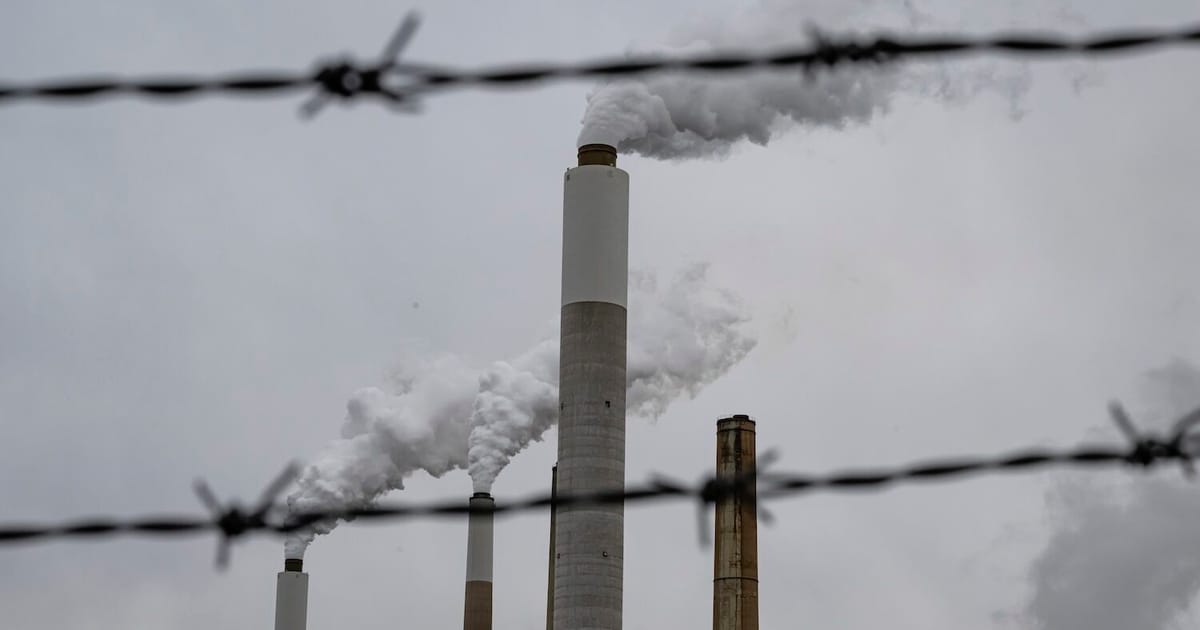
A report by the Environmental Defense Fund (EDF) reveals that nearly half of U.S. coal plants—90 out of 184—have been propped up by the Trump administration through taxpayer-funded subsidies, Clean Air Act exemptions, and emergency orders preventing retirements. These interventions tilt the market in favor of coal, the most polluting and least cost-effective electricity source, according to EDF’s analysis. The report highlights how such policies prioritize coal industry interests over public health and economic efficiency.
The EDF analysis identifies 70 coal plants that secured exemptions from Biden-era Clean Air Act limits on toxic pollution, including mercury and heavy metals, by simply emailing an EPA inbox. These exemptions allow plants to avoid investing in pollution controls, despite projections that the original limits would deliver over $430 million in health benefits by 2037. The EPA has since rescinded the Biden-era rule, though legal challenges may reinstate it.
Twenty-four coal plants are set to receive a total of $950 million in taxpayer funds from the U.S. Department of Energy (DOE), including $525 million announced in September 2025 for refurbishing up to 11 plants and $425 million in June to expand 13 facilities. Utilities and regulators have also been blocked from closing six coal plants under DOE emergency orders, despite court rulings finding some orders unlawful.
EDF estimates that forcing six coal plants to operate through June 2026 has cost utility customers up to $593 million and caused up to $860 million in health damages. While the DOE claims its support saves $50 billion by avoiding new power generation, researchers argue clean energy and batteries could replace coal plants at a net savings for customers.