Ohio GOP circulates bill that would stymie coal plant closures
Ohio Republicans propose a bill to block coal plant closures required by settlements, directly targeting the Cardinal plant’s 2028 shutdown and overriding past agreements.
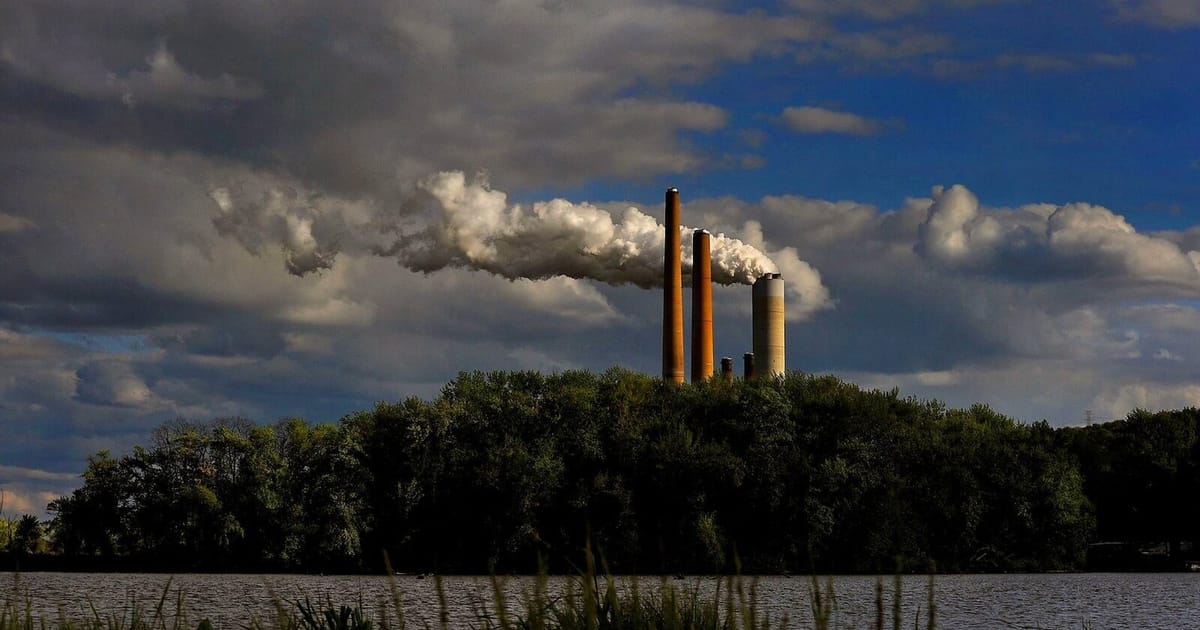
Republican lawmakers in Ohio have circulated a draft bill that would prohibit coal plants from closing when required by settlement agreements, including those already finalized. The proposal applies retroactively to past contracts and future deals resolved in state courts or regulatory proceedings. Neil Waggoner of the Sierra Club’s Beyond Coal campaign criticized the bill as unconstitutional, arguing it violates Ohio’s prohibition against retroactive laws and undermines existing contracts.
The draft legislation would directly affect the 620-megawatt coal unit at the Cardinal power plant in eastern Ohio, which is scheduled to close by the end of 2028. A 2015 settlement between the Sierra Club and American Electric Power’s Ohio utility, later assumed by Buckeye Power in 2022, mandated the closure. Under the bill, Buckeye Power could disregard the settlement terms and keep the plant operational if requested by state officials or agencies.
Buckeye Power, which supports the draft bill, stated it would file testimony in its favor, calling the proposal a balanced solution to maintain grid reliability and affordability for Ohio consumers. The company argued the measure would allow critical generation resources to remain available until a reliability crisis passes, echoing claims made by the Trump administration about the need for coal plants.
Critics, including Democratic Rep. Tristan Rader, argue the bill extends the life of coal plants unnecessarily while obstructing renewable energy development in Ohio. The draft cites grid reliability as justification, though PJM Interconnection’s analysis for the Cardinal plant’s closure remains pending. The bill’s language appears aimed at nullifying Buckeye Power’s settlement obligations, raising concerns about its constitutionality and broader implications for future agreements.