Why tribal rights have become key to the energy permitting debate
Tribal sovereignty concerns are reshaping energy permitting reform negotiations in Congress, with tribes opposing changes to historic preservation reviews while some advocate for energy development opportunities on their lands.
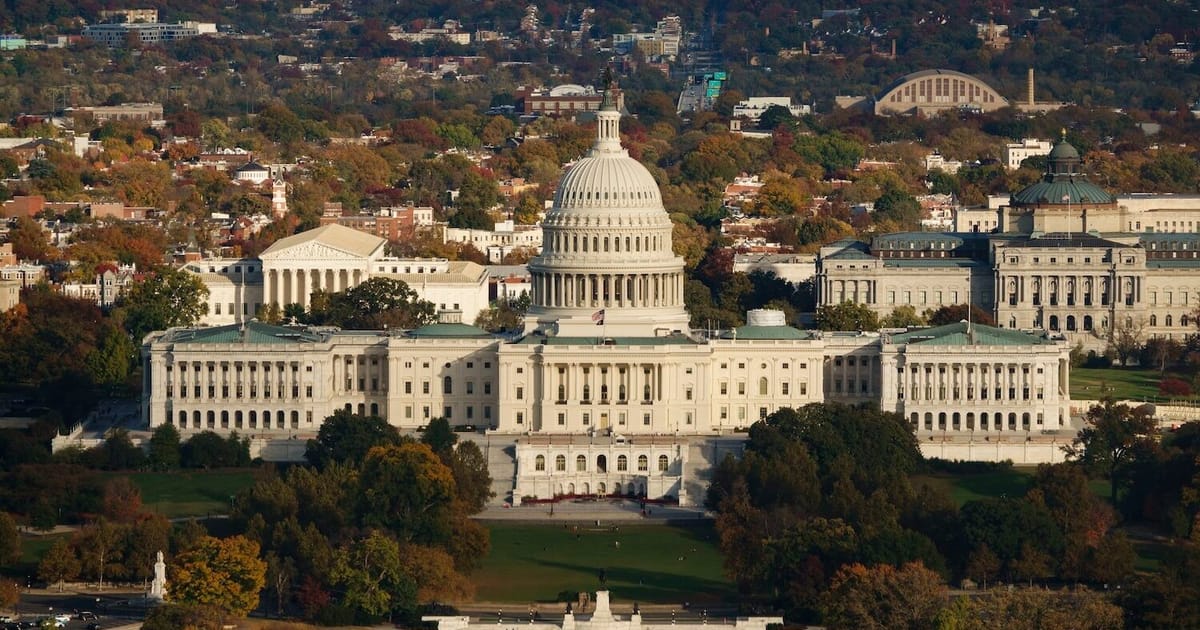
The Senate passed a bipartisan permitting reform bill by a 62–33 vote, but tribal sovereignty concerns dominated debates, overshadowing discussions on emissions. The bill’s proposed changes to the 1966 National Historic Preservation Act drew opposition from influential tribal organizations, who argue the reforms weaken government-to-government consultation processes. Tribes retain sovereignty over development within reservation boundaries but face federal review requirements for projects affecting sacred sites beyond those lands, a process they argue lacks meaningful consent.
Tribal organizations, including the National Congress of American Indians and the National Association of Tribal Historic Preservation Officers, remain opposed to the bill despite amendments addressing some concerns. The National Congress of American Indians urged the House to reject the legislation, emphasizing the need for direct consultation with Tribal Nations and addressing permitting delays without compromising Native places. Progressive Democrats in the House are also expected to oppose the bill due to its environmental rollbacks.
Some tribal groups, such as the National Tribal Energy Association, support provisions in the bill that they say would streamline infrastructure deployment and unlock energy potential on tribal lands. The Apsáalooke (Crow) Nation, a coal producer, submitted a letter in support of the legislation, citing bureaucratic delays and permitting timelines as barriers to investment in Indian Country. The tribe is now seeking to expand hydroelectric energy amid a stalled wind farm proposal.
The debate has highlighted divisions among tribes, with some advocating for energy sovereignty and others opposing the bill’s reforms to historic preservation reviews. Julian Brave NoiseCat, a member of the Canim Lake Band Tsq̓éscen, argued that tribes should have meaningful input on projects impacting cultural sites, while also noting that tribes are not uniformly anti-development. NoiseCat emphasized that tribes have diverse considerations and should not be reduced to a singular environmentalist perspective.