Permitting reform is a big, controversial bet for the energy transition
A bipartisan Senate bill aims to accelerate clean energy projects by streamlining permitting, but critics warn it could also fast-track fossil fuel infrastructure and undermine environmental safeguards.
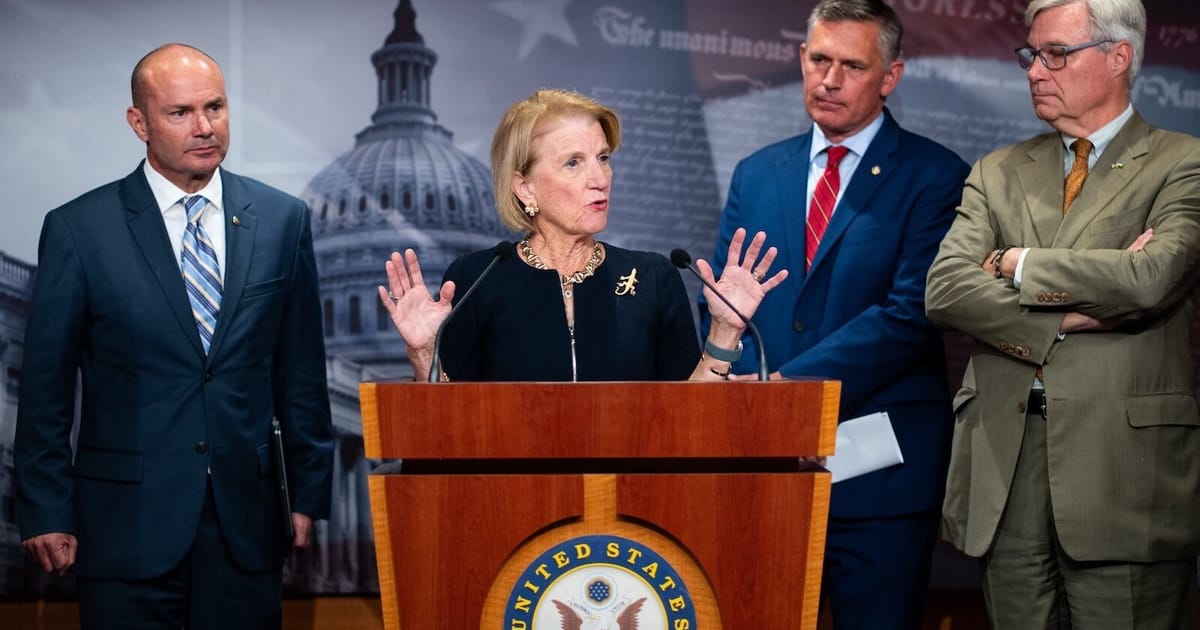
The Bipartisan American Affordability and Jobs Act seeks to overhaul federal permitting processes to speed up energy infrastructure development, with supporters arguing it will prioritize cleaner projects due to their cost and efficiency advantages. The bill’s proponents, including Democratic Sens. Martin Heinrich and Sheldon Whitehouse, contend that decades-old environmental protections now hinder clean energy deployment more than they protect against harmful projects. They emphasize that institutional barriers, not financial incentives, are the primary obstacle to decarbonization efforts across the U.S.
Opponents, including the Natural Resources Defense Council and the Sierra Club, argue the bill risks enabling fossil fuel expansion by easing permitting for dirty energy projects alongside clean ones. They cite backing from the American Petroleum Institute and the Trump administration as evidence of its potential to favor fossil fuels. Energy analysts remain divided on whether the bill’s changes will ultimately reduce or increase emissions, with modeling from Rhodium Group and Purdue University yielding opposing projections.
The bill would modify key environmental laws such as the Federal Power Act, Clean Water Act, Endangered Species Act, and National Environmental Policy Act, raising concerns about weakened safeguards. Critics, including former Biden climate adviser John Podesta, warn the changes could allow harmful projects to proceed unchecked, particularly under future administrations. Supporters counter that the reforms are necessary to meet decarbonization goals by mid-2030s, citing the need to double or triple transmission capacity.
The Senate advanced the bill with strong bipartisan support, clearing procedural hurdles and ending debate on an amended version. A final vote is expected before Thanksgiving, followed by consideration in the House. The legislation’s fate hinges on whether lawmakers prioritize accelerating clean energy deployment or preserving existing environmental protections amid competing priorities.