What are Agentic Workflows?
Databricks explains agentic workflows as AI systems that autonomously plan, execute, and refine multi-step tasks, marking a shift from single-prompt interactions to continuous, adaptive processes in enterprise automation.
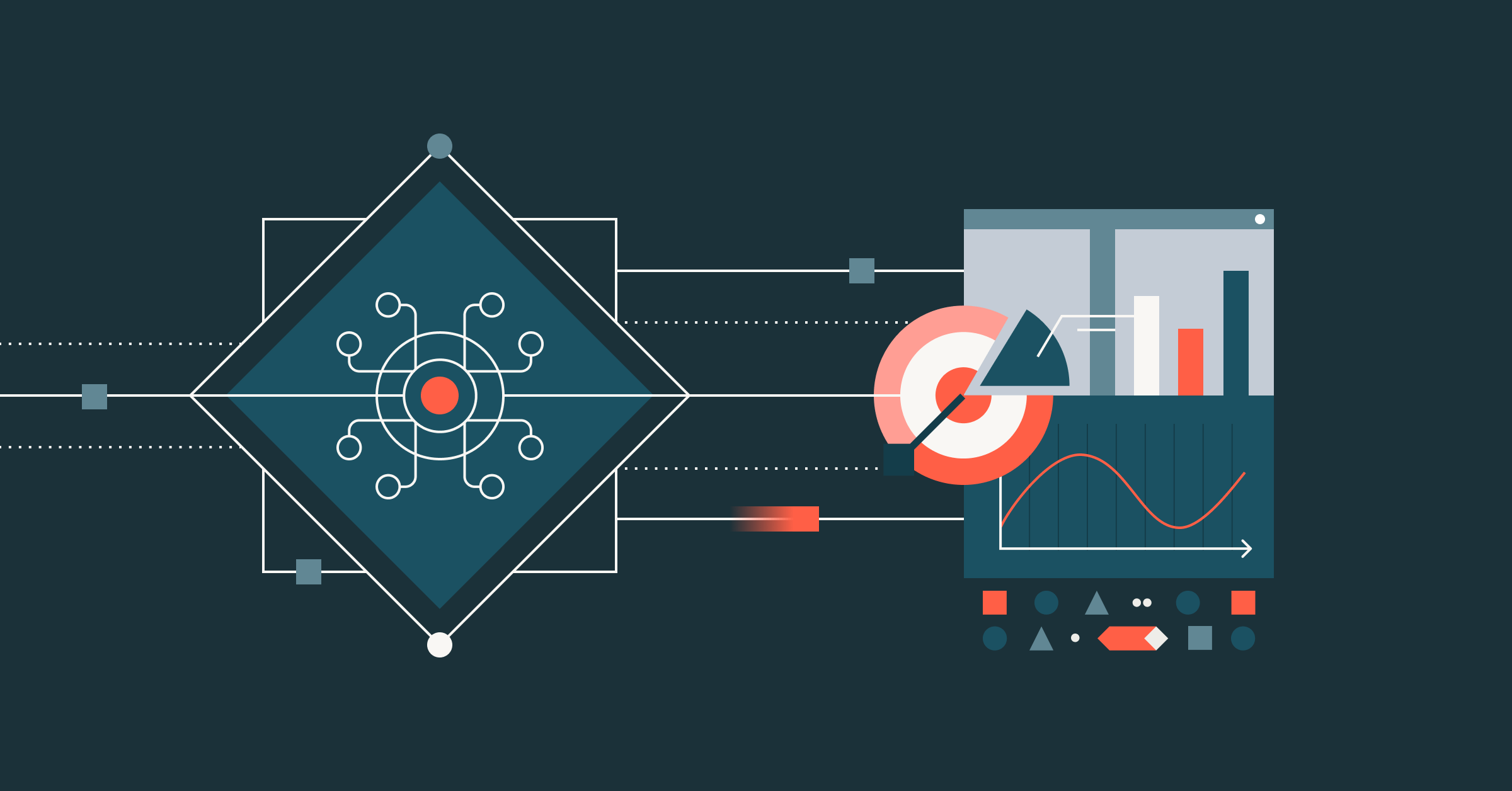
Agentic workflows represent a shift from traditional automation by enabling AI agents to autonomously plan, execute, and refine multi-step tasks through continuous reasoning and feedback loops. Unlike chatbots or fixed scripts, these systems evaluate context at each step, adjust their approach based on intermediate results, and handle complex processes such as coordinating systems or synthesizing unstructured data. Organizations can reduce cycle times and manual handoffs by deploying workflows with clear success criteria, guardrails, and audit trails to prevent error propagation.
Agentic workflows are assembled from components that enable autonomous, multi-step execution, including perception, reasoning, tool use, and communication. Agents actively gather data from sources like databases and APIs, evaluate options at runtime, and act by calling tools or transforming data. Their problem-solving capabilities allow them to handle edge cases that would disrupt traditional automation, while multi-agent workflows enable specialized agents to collaborate on shared objectives through structured communication and orchestration layers.
The adoption of agentic workflows is projected to accelerate, with Gartner estimating that 33% of enterprise software applications will include agentic AI by 2028, up from less than 1% in 2024. This growth reflects a move toward software that acts on behalf of users rather than merely responding to commands. Organizations can build these workflows using existing models, data pipelines, and governance frameworks, focusing on orchestration to plan, decide, and act autonomously across complex processes.
Agentic workflows automate entire processes spanning multiple steps and systems, reducing human involvement in handoffs and compressing cycle times for operations like incident resolution and data management. While they adapt to changing conditions without requiring logic rewrites, their deployment introduces governance challenges, with Deloitte reporting that only 21% of companies have mature agent governance models despite 74% planning to deploy agentic AI within two years. Production-grade governance remains an active area of development to ensure auditable, explainable, and policy-aligned decision-making.