ESS Appoints Randall Selesky as Chief Commercial Officer to Accelerate Global Growth
ESS Tech appoints Randall Selesky as Chief Commercial Officer to lead global sales, marketing, and business development as the company scales long-duration energy storage solutions.
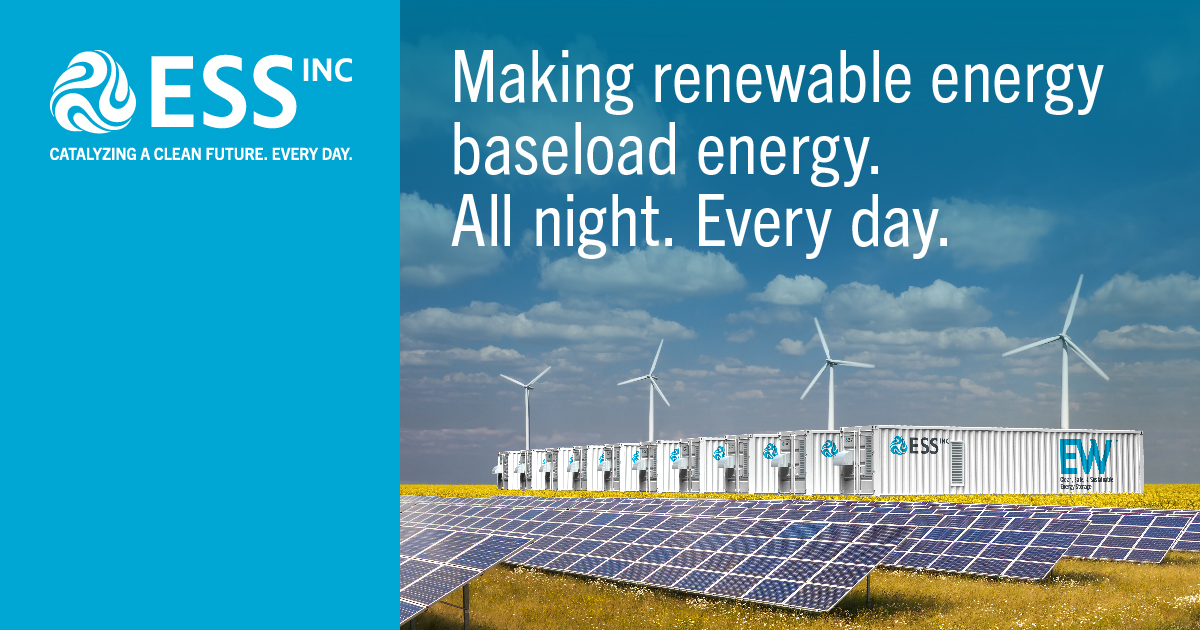
ESS Tech, Inc. announced on February 19, 2026, that Randall "Randy" Selesky has joined the company as Chief Commercial Officer (CCO). Selesky will oversee global commercial strategy, sales, marketing, product management, and business development as ESS advances its long-duration energy storage solutions. With over 20 years of experience in the energy sector, including a decade in battery storage, he previously served as CCO at VoltStorage, where he shaped commercial strategy and guided market expansion.
Selesky’s appointment follows ESS’s leadership transformation aimed at strengthening governance, execution, and financial discipline. His role will focus on accelerating commercial execution as global demand for long-duration energy storage (LDES) increases. ESS’s iron flow technology, using iron, salt, and water, provides energy security and reliability, supporting grid stability and renewable energy integration.
CEO Drew Buckley highlighted Selesky’s proven commercial leadership and experience in converting market demand into revenue. Buckley stated that Selesky’s expertise will be crucial in delivering market-ready solutions to customers seeking reliable long-duration storage. Selesky emphasized the importance of long-duration storage in the energy transition and ESS’s position to meet growing market needs.
ESS Tech, Inc. (NYSE: GWH) was established in 2011 and manufactures long-duration iron flow energy storage solutions. The company’s mission is to accelerate decarbonization through sustainable, longer-lasting energy storage. ESS builds flexible storage solutions to meet rising energy demand without power disruptions while maximizing the value of excess renewable energy.