How Alonso used a unique strategy to earn P9 in Zandvoort
Fernando Alonso secured ninth place at the Dutch Grand Prix, earning two points for Aston Martin through strategic execution and tyre management despite starting from the pit lane.
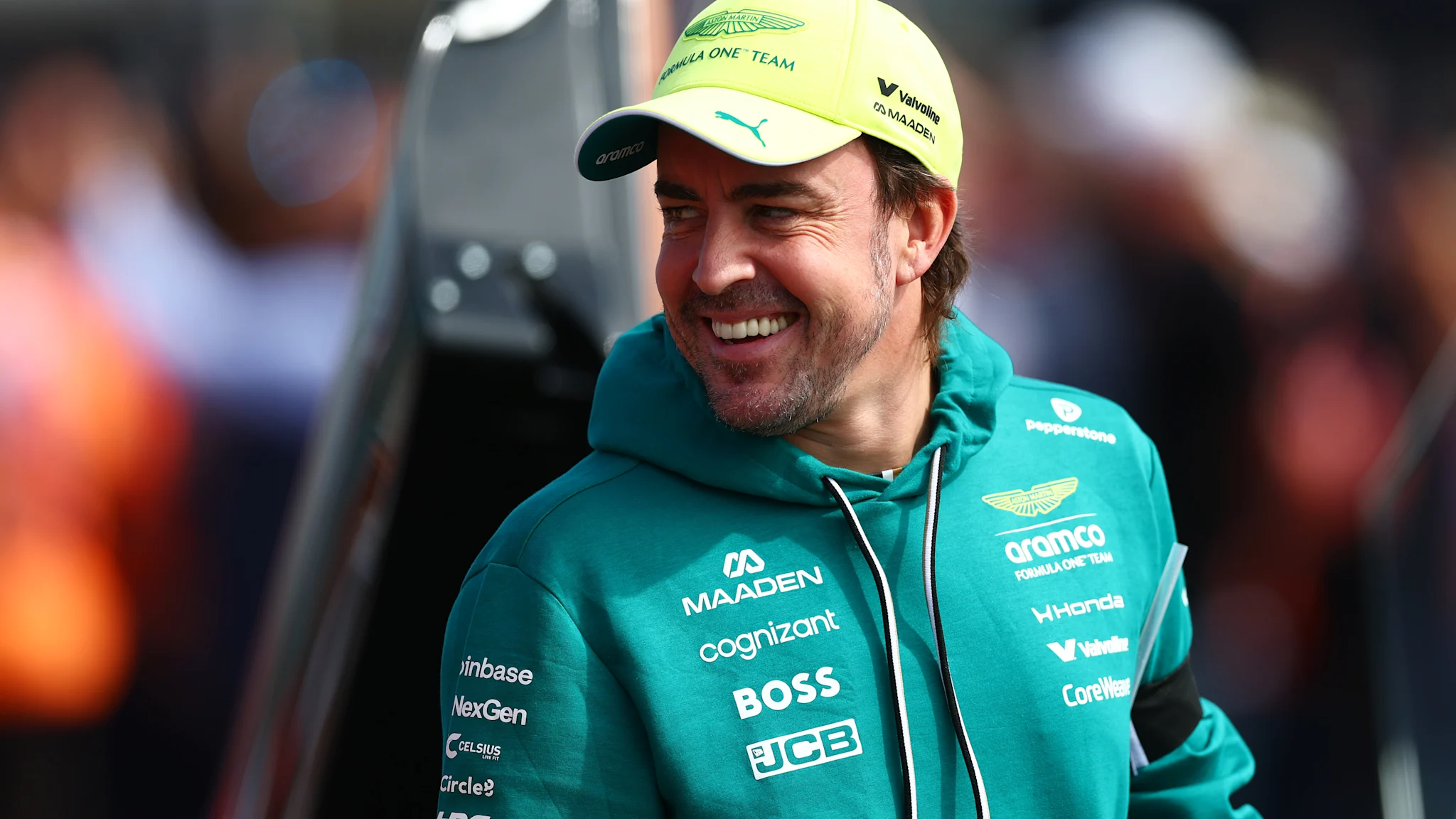
Fernando Alonso finished ninth in the Dutch Grand Prix, securing two points for Aston Martin after a challenging weekend. The result followed a strategic approach that included a pit-lane start and an unconventional one-stop strategy, which allowed him to rise through the field while others pitted. Alonso’s performance contrasted with the struggles of faster cars that made errors, highlighting the effectiveness of Aston Martin’s execution. The outcome marked a notable improvement for the team after a difficult start to the 2026 season.
The weekend also served as a significant test for Aston Martin’s updated AMR26, featuring new aerodynamic components and Honda’s latest power unit. Despite a low-key start with Sprint Qualifying struggles, Alonso and teammate Lance Stroll qualified in P18 and P19, respectively. Alonso emphasized progress, noting the team had reduced its average gap to the leader by three seconds in two races. The car’s tyre-friendly characteristics were again evident, enabling long stints and strategic flexibility during the race.
Alonso’s race strategy deviated from the conventional two-stop plan after radio issues disrupted communication with the pit wall. He remained on track for a 37-lap stint on hard tyres, rising to P9 as competitors pitted. The approach underscored the team’s adaptability and Alonso’s ability to capitalize on opportunities despite suboptimal conditions. He acknowledged the unconventional move but stressed the importance of exploiting free track when possible to maximize performance.
Aston Martin’s Chief Trackside Officer Mike Krack described the weekend as a positive step forward, despite another retirement for Stroll due to handling issues. Krack noted the team is still learning to optimize the new package, including the Honda power unit, which presented drivability challenges. Alonso highlighted improvements in chassis performance but acknowledged ongoing struggles with engine braking and downshifts. The team’s progress, though incremental, suggests potential for further gains as they refine the car’s setup and power unit integration.