How are Ferrari keeping costs low for their latest upgrades?
Ferrari debuted a cost-conscious floor update for the SF26 at Zandvoort, limiting initial production to two sets to manage budget cap risks while prioritizing reliability.
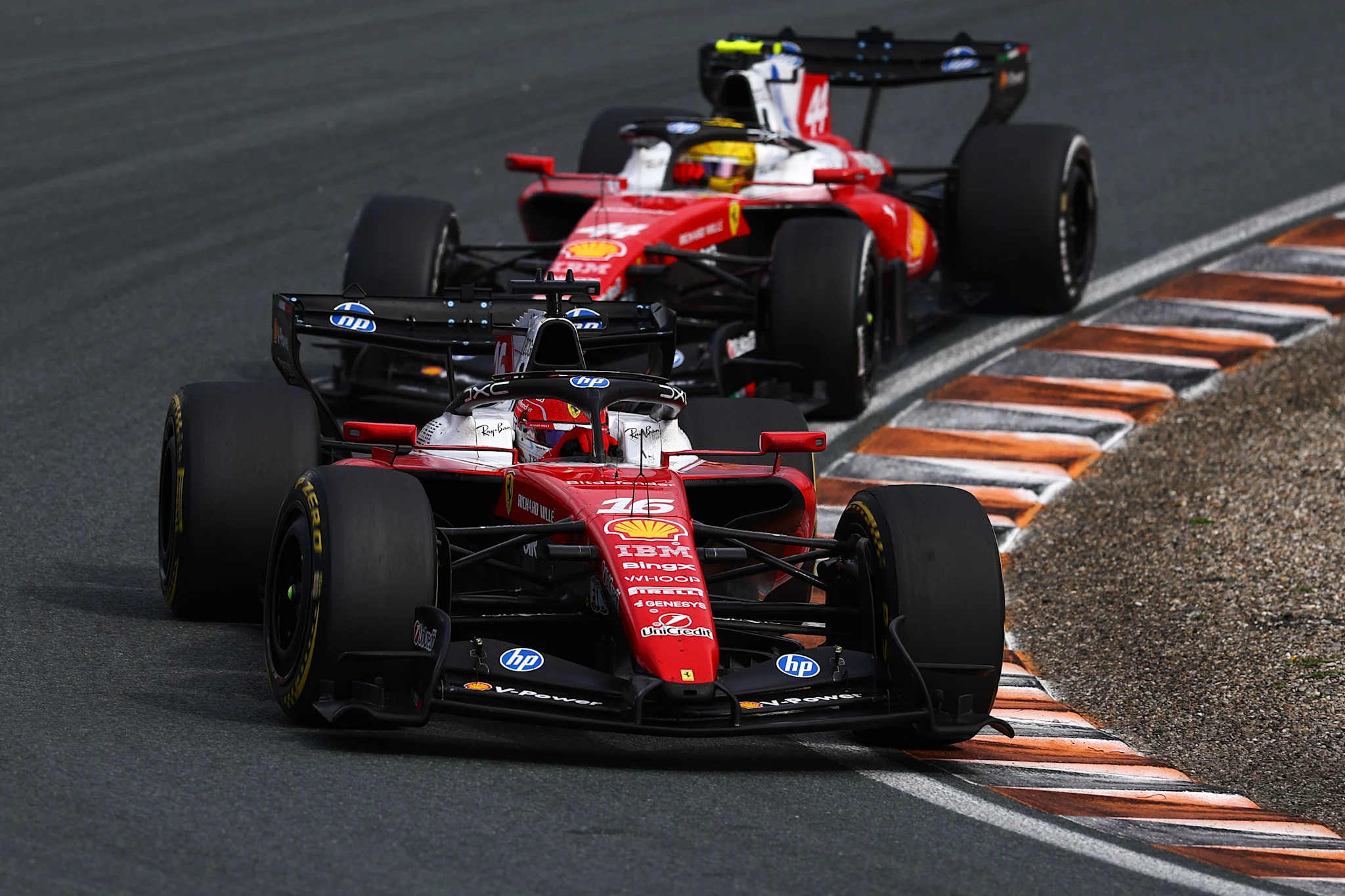
Ferrari introduced a floor modification for the SF26 at the Dutch Grand Prix in Zandvoort, describing it as a cost-effective solution to improve performance. The update was designed to balance competitive gains with financial constraints under Formula 1’s budget cap regulations. Only two sets of the new floor components were manufactured initially, one for each driver, Charles Leclerc and Lewis Hamilton, reflecting a cautious approach to resource allocation.
The team chose not to use the updated floor during the first free practice session to avoid potential damage without backup parts available. This decision underscored Ferrari’s focus on minimizing risk while evaluating the upgrade’s effectiveness. The parts were reserved for Sprint Qualifying, where their performance could be assessed under race conditions without compromising the main race preparations.
The floor modification represents one of several late-season updates introduced by top teams as they navigate the budget cap’s impact on development. Ferrari’s approach highlights the strategic trade-offs between performance gains and financial prudence, particularly in the second half of the season. The limited initial production run suggests a measured strategy to test the upgrade’s viability before wider deployment.
The update follows Formula 1’s financial regulations, which cap team spending to promote competitive balance. Ferrari’s cautious rollout of the floor changes aligns with broader industry efforts to optimize performance within strict budgetary limits. The team’s decision to prioritize reliability over immediate gains reflects the heightened emphasis on cost control in the current season.