What are the tyre strategy options for the Dutch Grand Prix?
McLaren led qualifying ahead of the Dutch Grand Prix, but tyre performance over longer runs proved challenging during the Sprint. Teams face strategic decisions on tyre allocation and race tactics at Zandvoort.
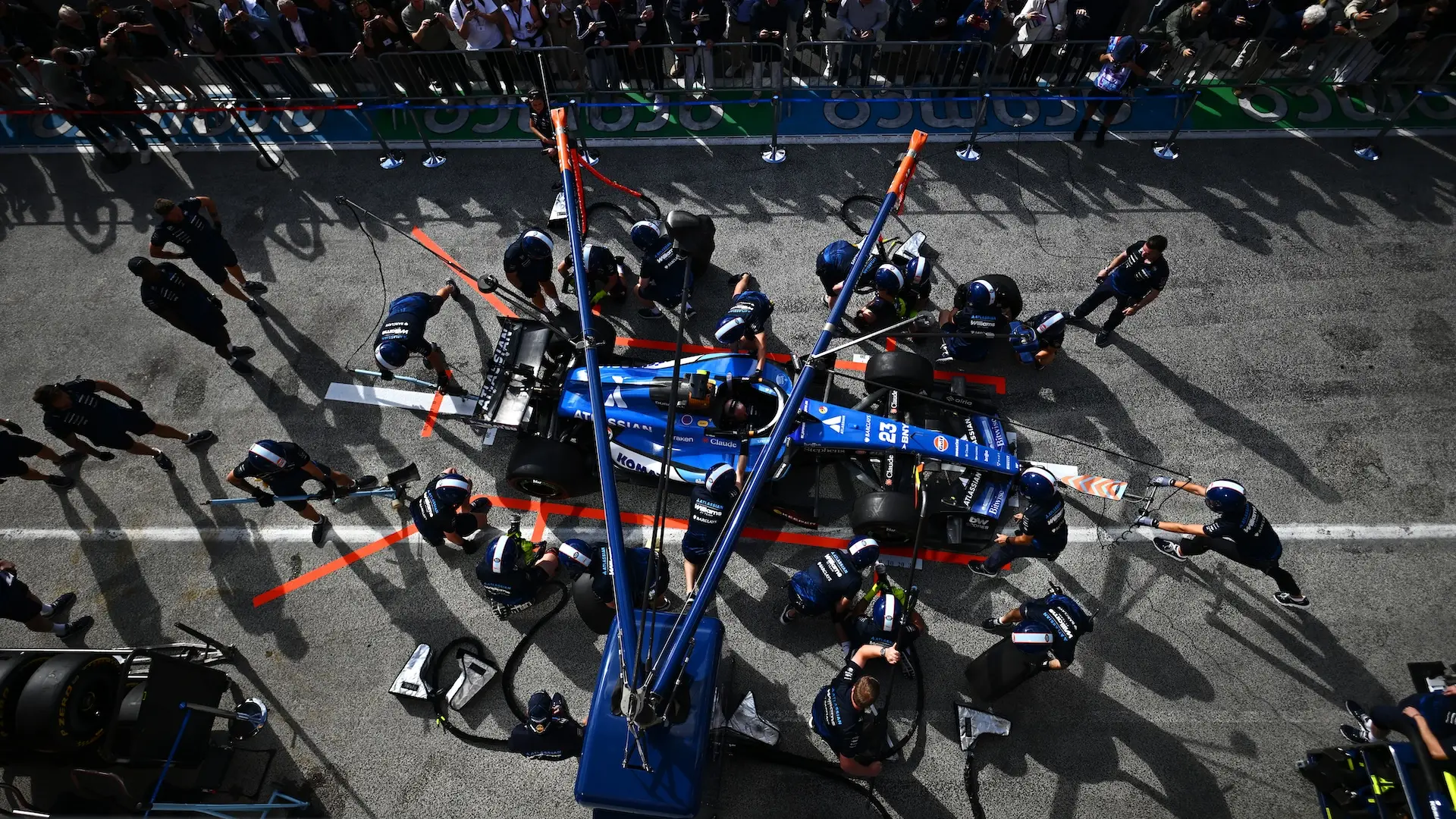
McLaren secured pole position with Lando Norris narrowly ahead of the field, following strong performances across all three qualifying segments. However, the Sprint race on Saturday highlighted difficulties with rear grip over extended distances, raising questions about tyre durability. The Dutch Grand Prix introduces strategic complexity, as teams must balance undercut opportunities, long stints, and tyre degradation to optimise race pace. Different tyre allocation approaches further complicate race strategy, turning the event into a tactical contest where split-second decisions could decide the outcome.
The Sprint format adds another layer of unpredictability, as teams adapt to shorter race distances while managing tyre wear. Some drivers may prioritise aggressive early stints to exploit undercut potential, while others could opt for conservative tyre usage to preserve performance late in the race. The choice of tyre compounds—whether soft, medium, or hard—will play a critical role in determining pit stop windows and overall race strategy.
Tyre allocation varies among teams, with some opting for a balanced mix of compounds and others focusing on a single type to simplify decisions. The high-speed nature of Zandvoort’s corners, particularly the banked Tarzanbocht, demands precise tyre management to avoid excessive degradation. Teams will need to monitor track evolution closely, as rubber laid down in early laps can significantly alter grip levels and tyre performance throughout the race.
The Dutch Grand Prix remains a strategic chess match, where teams must weigh tyre wear against outright speed to secure a competitive advantage. With McLaren’s early pace and the challenges exposed in the Sprint, the race could hinge on how effectively drivers and engineers manage their tyre choices under pressure. The outcome may well be decided not just by raw performance, but by the ability to execute flawless tyre strategy in a high-stakes environment.