Wolff explains Mercedes’ decision to invert cars in Dutch GP
Mercedes inverted cars at the Dutch GP, allowing Kimi Antonelli to pass George Russell for P2 after a Virtual Safety Car. Team Principal Toto Wolff defended the decision as a strategic move to manage Ferrari’s threat.
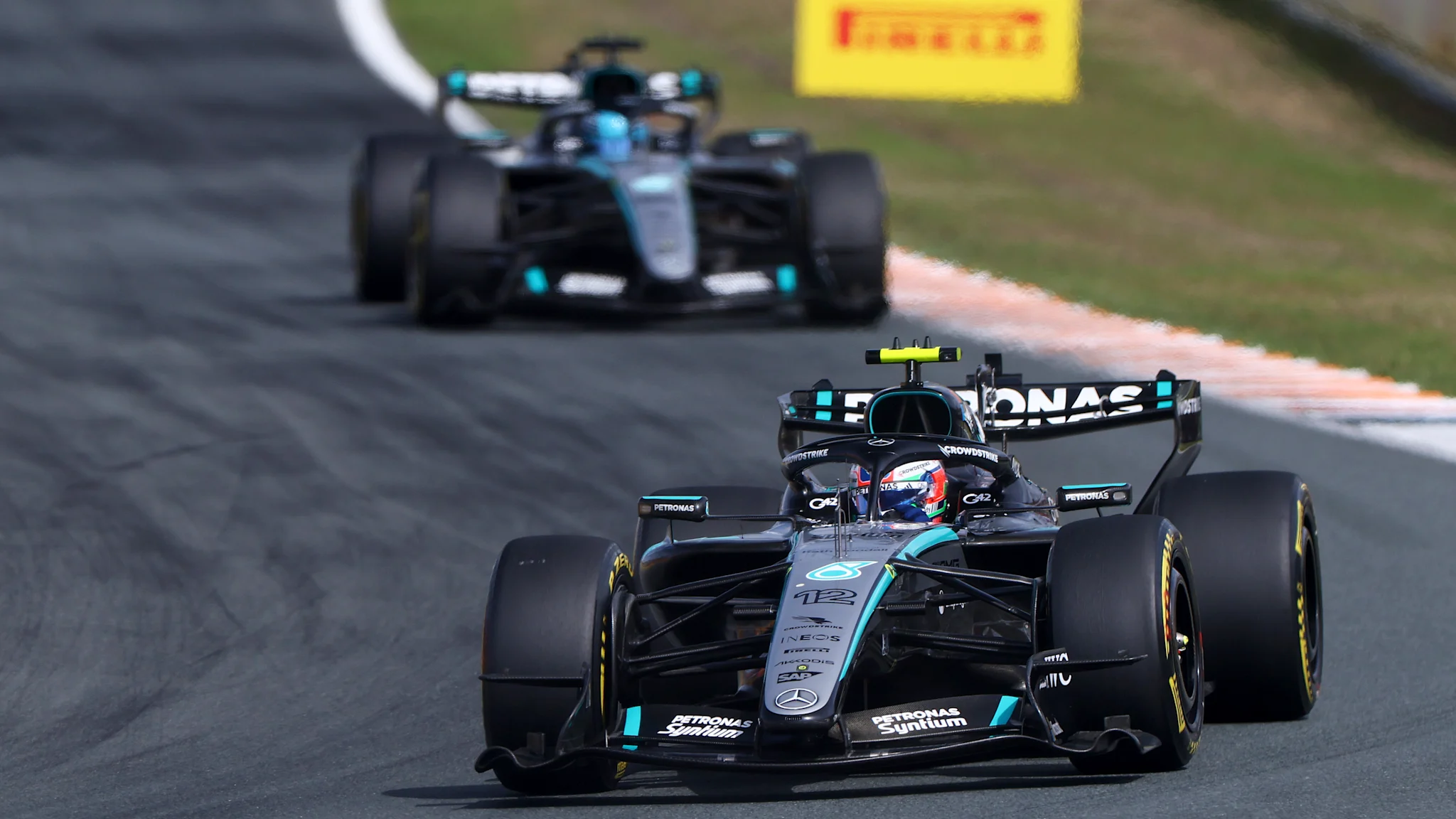
Mercedes Team Principal Toto Wolff has explained the team’s decision to invert their cars during the closing stages of the Dutch Grand Prix. George Russell was instructed to allow Kimi Antonelli through into second place after a Virtual Safety Car period. Antonelli had pitted for fresh tyres during the VSC, rejoining behind Norris and Russell, who stayed out. Wolff stated the move was intended to prevent Ferrari’s Lewis Hamilton and Charles Leclerc from closing in on both drivers.
Russell initially expressed frustration over the switch, fearing the team might lose a double podium. Despite the concern, Russell retained third place while Antonelli held second, with both Mercedes drivers keeping the Ferrari pair behind. Wolff confirmed the strategy was discussed in advance and aligned with team policy to avoid losing time to competitors. He noted that Antonelli’s position before the pit stop made the inversion the logical choice.
Wolff described the weekend as challenging, acknowledging that Mercedes had aimed to win but faced difficulties after switching to hard tyres. He highlighted the team’s satisfaction with securing a P2 and P3 finish, which allowed them to outscore Ferrari in points. The outcome was bittersweet, as Norris won the race, underscoring the tight competition in the championship.
Looking ahead, Wolff admitted Mercedes are currently stuck in a development struggle and need to maintain strong performances. He emphasized the importance of executing well while awaiting future upgrades, as the team aims to close the gap to competitors like McLaren and Ferrari. Wolff stressed that consistent execution remains critical amid the ongoing development battle.