Epic Games claims its new "vibe coded" launcher runs 46% faster than Steam from cold start to store page
Epic Games launched a beta of its new launcher, claiming 14% faster cold start and 30x faster library load than Steam, with AI used in development.
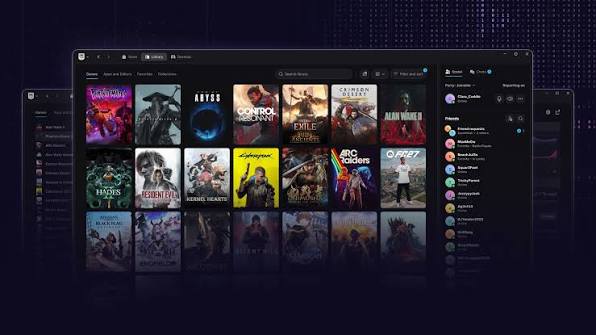
Epic Games has released a beta version of its new launcher, asserting it is 14% faster than Steam from a cold start to the store page. The launcher is also reported to be 14% faster than Steam when restoring from the system tray to the library. Martin Keely, vice president and general manager of the Epic Games Store, highlighted performance gains, stating the library loads 30 times faster than in the previous launcher and startup is twice as fast. The new launcher has a footprint of 300MB, a deliberate reduction to support a wide range of hardware.
The rebuilt launcher represents a complete rewrite of the code base, including the shell with the download manager, library, and app, as well as the store architecture. Features such as discoverability and product detail pages have been rewritten from scratch. Keely described the launcher as "vibe coded," a term referring to coding with AI assistance. AI was used as a tool during development to improve efficiency and enable a small team to accelerate cross-platform launches.
Epic Games confirmed AI was integrated as a tool in the development process, enhancing efficiency and allowing faster platform support, including Windows, Mac, and a planned Linux version. The focus remained on code efficiency and architecture, with design updates managed separately by Epic's design group. Keely emphasized that AI adoption was not about artwork or style changes but about accelerating feature development.
Epic's shift toward an "AI-first" production model follows reports of delayed projects, including a Disney collaboration shooter featuring Marvel and Star Wars characters. Internal communications indicated a move away from hand-written code and toward AI-generated art workflows. Epic's leadership, including CEO Tim Sweeney, has framed the pivot as enabling teams to build more and better content using AI acceleration.