Video games aren't the enemy of kids' mental health – ignoring them is
Video games are often blamed for youth mental health issues, but research shows they can also provide social connection and coping tools for vulnerable children.
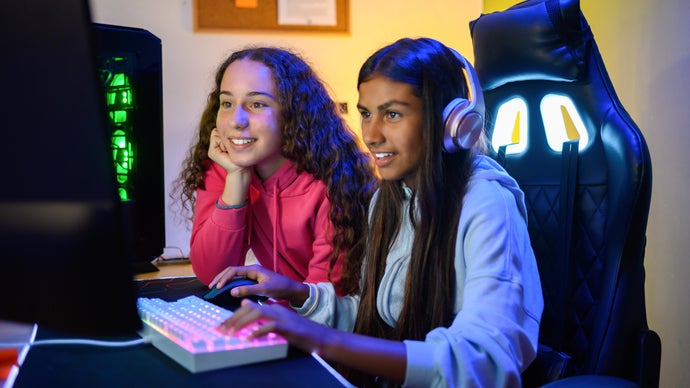
Video games frequently face criticism as a cause of anxiety and poor mental health among young people, yet research reveals a more nuanced picture. While some parents and commentators link gaming to isolation and sleep problems, studies indicate games can serve as a lifeline for socially anxious children, a coping mechanism for those with ADHD, and a space where isolated teens feel competent and connected. The charity Safe In Our World, which focuses on mental health in gaming, highlights this contradiction, noting that the most vocal narratives often oversimplify a complex issue.
California, home to numerous game studios, reflects this reality as millions of families and children engage with gaming daily. Treating all gaming experiences as uniform 'screen time' fails to address individual needs or benefits. The charity emphasizes that while some games and online spaces may contribute to unhealthy habits without guidance, others foster problem-solving, teamwork, and a sense of belonging—especially for children who struggle to find these elsewhere.
The distinction between healthy and harmful gaming often lies in context rather than the games themselves. Factors such as whether a child feels better after playing, whether the space encourages connection, and whether adults engage thoughtfully with their gaming habits determine the outcome. Safe In Our World partners with studios and clinicians to provide tools for parents and community leaders, moving beyond blanket bans to support mental health in gaming environments.
Experts advocate for curiosity and engagement over dismissal, suggesting parents ask children about their gaming experiences, play with them, and assess the value games provide. Initiatives like Roblox’s 'Family Zone' offer opportunities for shared play, helping guardians understand what draws children to games. World Mental Health Day is framed as a moment to shift from fear-driven narratives to a focus on understanding and supporting the positive aspects of gaming for young people.