Intel bringing faster upscaler to Valve's Proton
Intel has submitted code to add XeSS upscaling support to Valve’s Proton, enabling Intel Arc GPUs to run Windows games on Linux with improved performance.
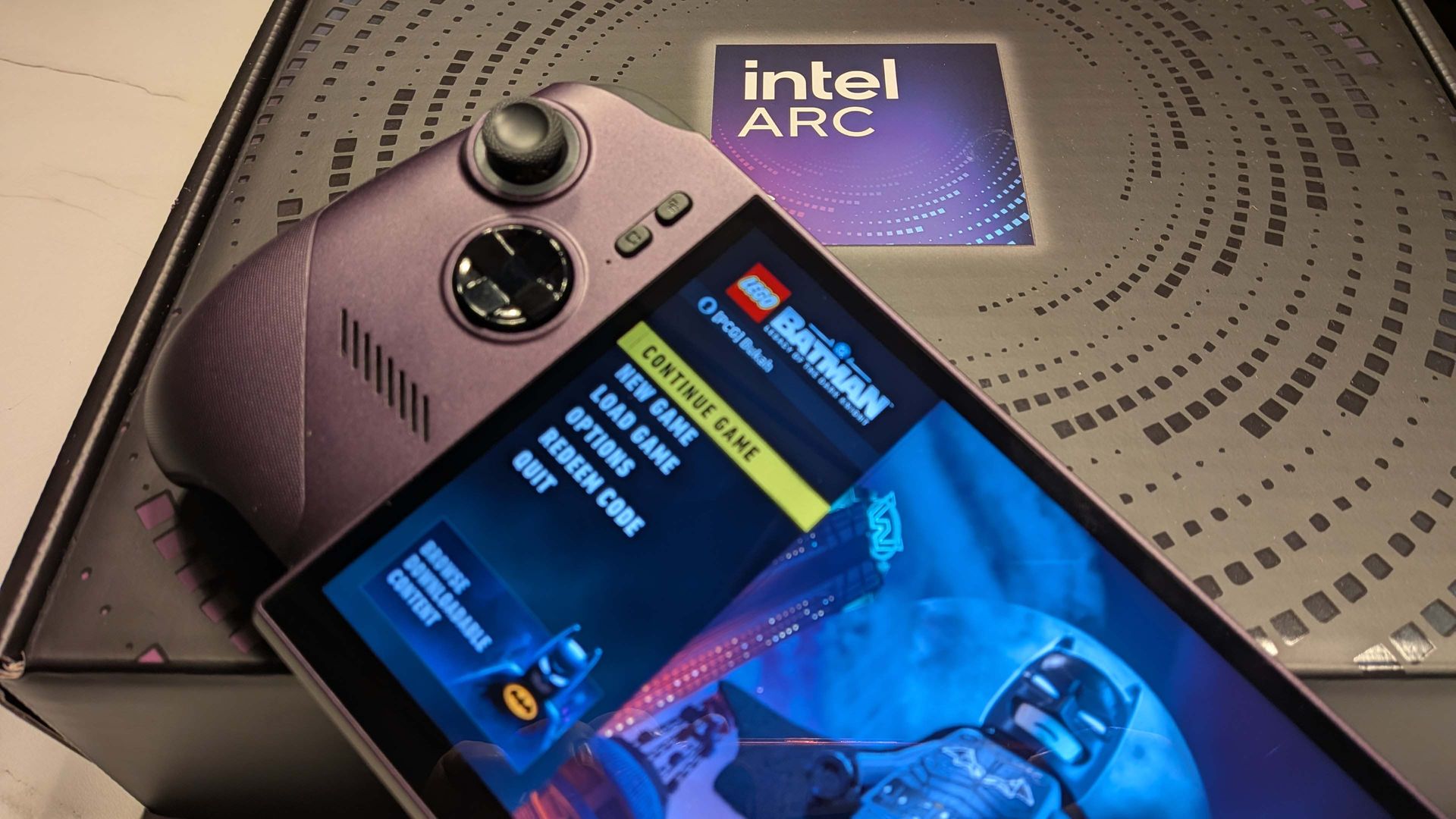
Intel has formally requested to integrate its XeSS upscaling technology into Valve’s Proton compatibility layer, which allows Windows games to run on Linux systems. The move targets Intel’s mobile gaming GPUs, such as those in devices like the MSI Claw 8 EX AI+, which currently rely on Windows. Historically, Valve’s SteamOS has prioritized AMD hardware, but this change reflects a broader push to expand compatibility for Intel chips.
The proposed update would leverage Intel’s dedicated XMX cores within its GPUs to accelerate XeSS performance under Proton. Intel engineer Damian Tomczak outlined the technical approach, noting that the implementation would forward Direct3D 12 calls to a Linux-compatible XeSS library, converting objects to Vulkan via vkd3d-proton’s interop interface. This aims to avoid slower fallback paths and improve frame rates for Intel-based handheld gaming PCs.
Proton’s role in enabling Windows games on Linux has been pivotal for platforms like the Steam Deck and SteamOS. By adding XeSS support, Intel seeks to ensure that Intel Arc GPUs can match or exceed performance levels seen on AMD hardware when running Linux. The change could allow users to transition Windows-based handhelds to SteamOS without sacrificing performance.
Valve has already taken steps to enhance compatibility with Intel and AMD platforms in recent SteamOS updates. The improvements extend beyond handheld devices to include community-built Steam Machines, signaling a shift toward broader hardware support. Intel’s submission is part of this ongoing effort to standardize performance across different GPU vendors on Linux.