Accelerating scientific discovery worldwide with Lenovo HPC and AI infrastructure
Lenovo and partners are expanding high-performance computing and AI infrastructure to accelerate scientific research globally, supporting climate modeling, drug discovery, astronomy, and fusion energy with advanced, energy-efficient systems.
Scientists worldwide are leveraging high-performance computing (HPC) and AI to tackle complex challenges such as disease cures, climate solutions, and fusion reactor designs. Traditional HPC environments now integrate AI workloads, requiring more powerful GPUs, higher density, and improved efficiency. Lenovo, in collaboration with partners, provides infrastructure that balances performance, power efficiency, and operational simplicity to meet these evolving research demands.
The Potsdam Institute for Climate Impact Research (PIK) in Germany upgraded to a Lenovo supercomputer, achieving 5x more computational capacity than its predecessor. This delivered a 5-10x performance improvement across workloads, enabling faster climate simulations and policy guidance. Meanwhile, the Korea Meteorological Administration (KMA) uses a Lenovo supercomputer with over 300,000 Intel Xeon cores to run high-resolution climate and weather forecasts, delivering 50 PFLOPS of performance.
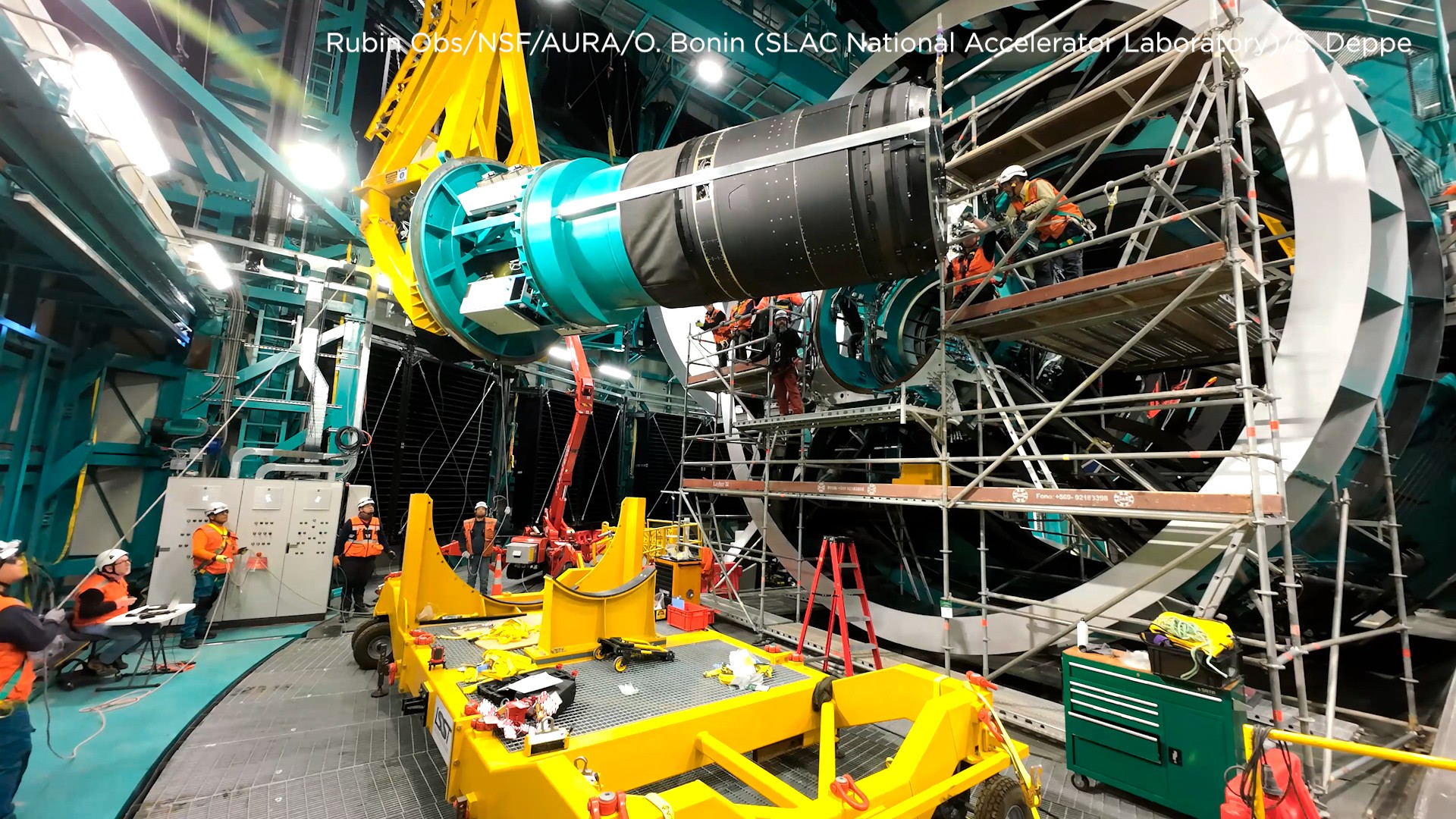
Chile’s National Laboratory in astronomy and astrophysics doubled research performance per watt with a new Lenovo supercomputer, processing vast telescope data to detect rare astronomical events. In Italy, ENEA’s CRESCO8 cluster increased compute capacity from 2 PFLOPS to 9 PFLOPS, accelerating simulations in energy and fusion research. Liquid cooling solutions, such as Lenovo Neptune, support these high-density workloads while reducing power consumption by up to 40%.
The University of Florida’s HiPerGator 4th Gen supercomputer, ranked the fastest university-owned system in the U.S., delivers 17.49 PFLOPS and supports 500+ research projects. Merck KGaA uses AI-driven HPC to analyze datasets for drug discovery, while the University of Queensland reduced AI model training time from four days to 5.5 hours. Lenovo’s infrastructure also powers DreamWorks Animation’s rendering workflows, demonstrating its role in both scientific and creative innovation.