NASA Glenn’s Legacy Forged Through Decades of Flight Research
NASA Glenn Research Center has conducted flight research since the 1940s, linking lab theories to real-world aircraft performance. Its work spans icing studies, propulsion tests, and space technology validation, shaping modern aviation and space missions.
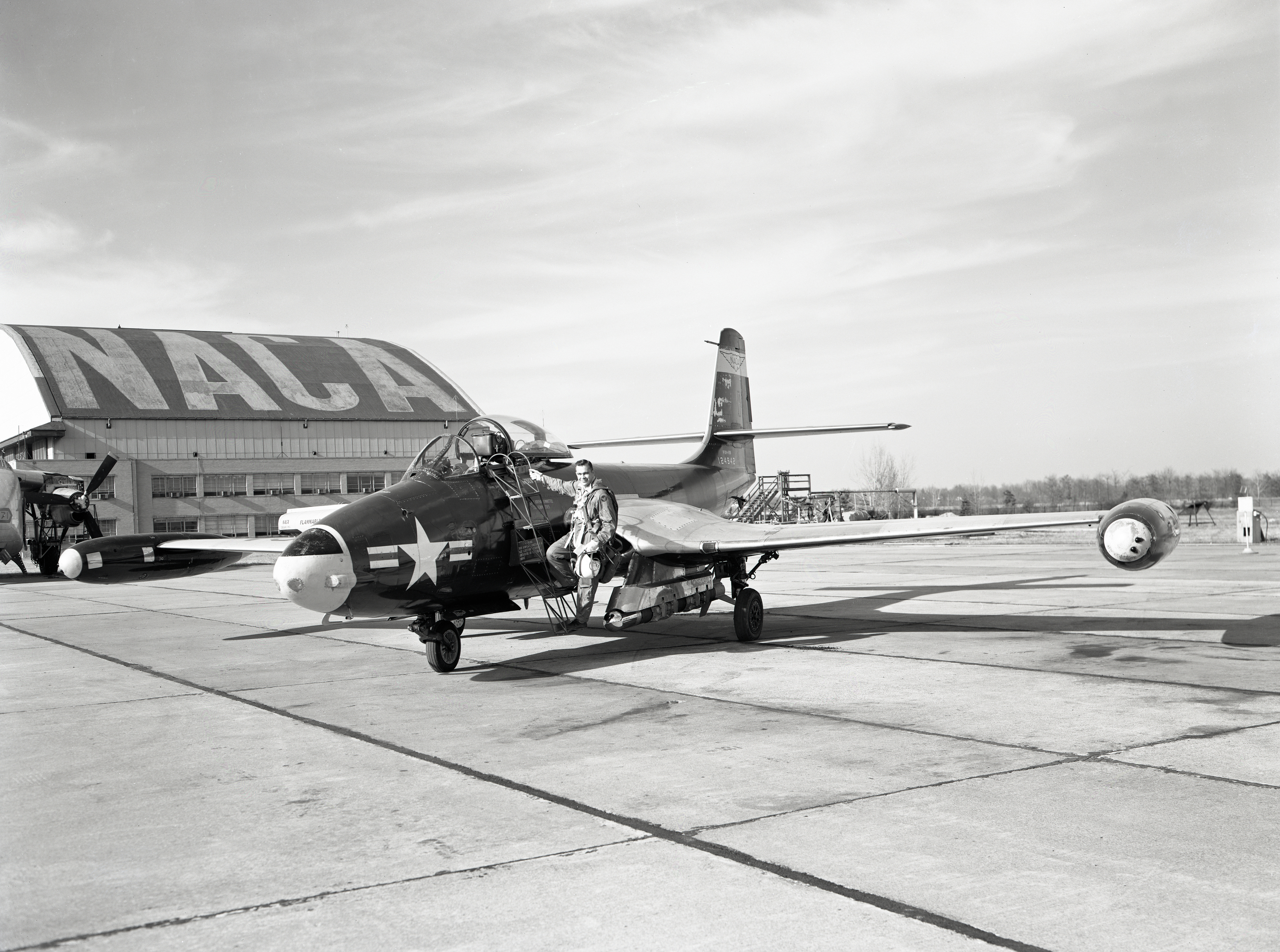
NASA Glenn Research Center in Cleveland has conducted flight research since the 1940s, beginning as the Aircraft Engine Research Laboratory under the National Advisory Committee for Aeronautics. Early programs focused on improving aircraft performance and high-altitude reliability during World War II, leading to practical advancements in jet and ramjet engines by the late 1940s. These efforts established the center’s reputation for airborne research, supported by pioneering pilots such as Howard Lilly and Joseph Walker, who later influenced astronauts like Neil A. Armstrong.
The center’s aircraft have addressed diverse research challenges, including in-flight icing hazards that improved commercial aviation safety standards. For nearly 40 years, a De Havilland DHC-6 Twin Otter served as the primary platform for icing research, collecting data that informed modern safety protocols. Glenn also explored propulsion innovations, including hydrogen fuel systems tested on a Martin B-57B Canberra aircraft in 1957, demonstrating reliable operation and efficiency. Flight testing further supported space technologies, such as solar cell performance evaluations under space-like conditions using modified Learjets starting in 1963.
Research expanded into environmental science, with aircraft like the Twin Otter and S-3B Viking tracking harmful algal blooms on Lake Erie by measuring water color and composition. The data enhanced satellite systems for monitoring water quality and ecosystem health. Glenn’s flight research also advanced microgravity testing using a DC-9 to study fluid behavior and materials in near-zero gravity before spaceflight experiments. These efforts contributed to sustainable aviation technologies, including fuel-efficient engines and sustainable aviation fuels.
In 2024, NASA Glenn participated in an optical communications study using a Pilatus PC-12 NG aircraft, demonstrating laser data transmission through NASA’s legacy infrastructure. The work supported broader optical communications advancements, including tests during the Artemis II mission. In October 2025, NASA restructured flight operations by relocating aircraft from Glenn to Armstrong Flight Research Center, though Glenn continues collaborating on icing, propulsion, and communications research, maintaining its legacy of moving innovations from lab to real-world application.