The Stormy Southwest Pacific
A rare November tropical cyclone, Xavier, intensified rapidly in the Southwest Pacific, becoming one of the strongest on record for the region during an El Niño year.
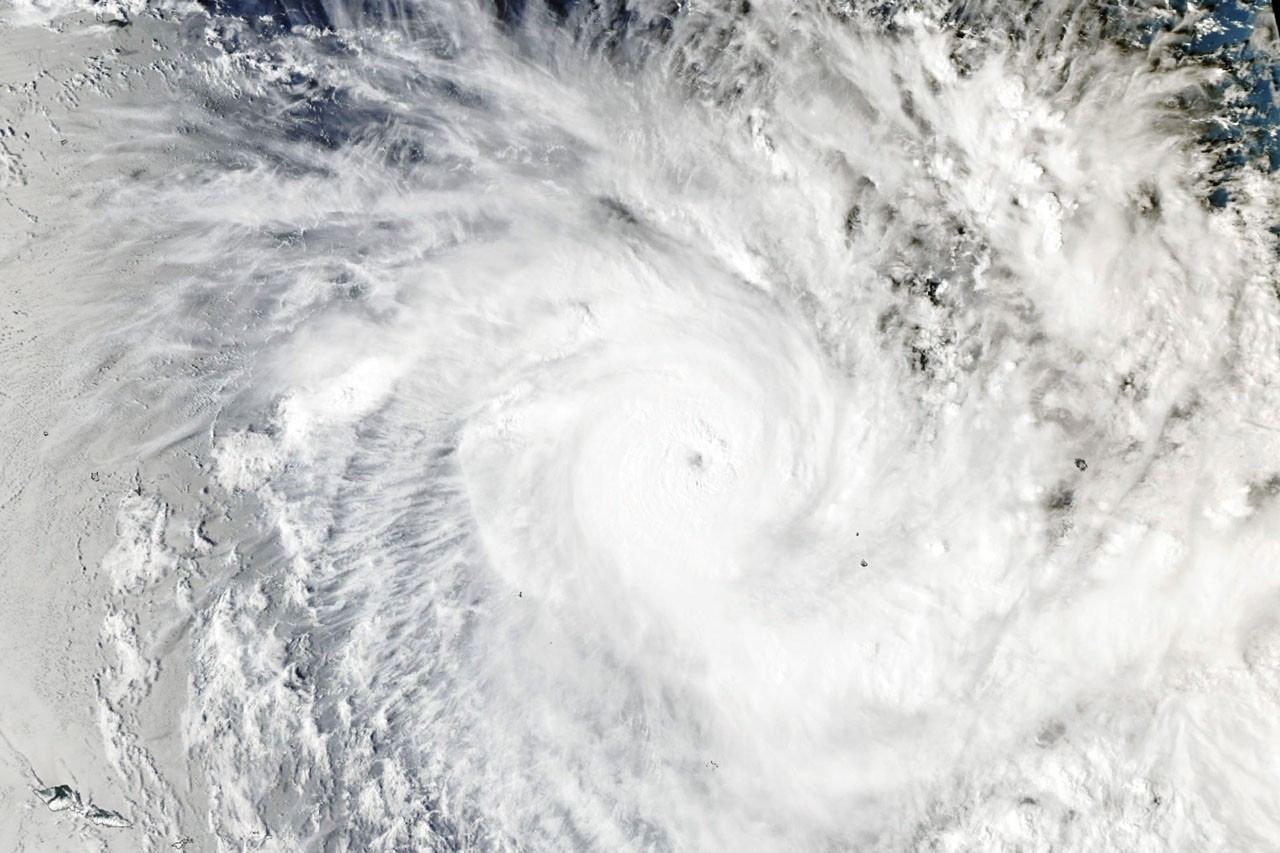
Tropical Cyclone Xavier marked the start of the Southwest Pacific storm season with unusual intensity. On November 15, 2026, the Fiji Meteorological Service began tracking a slow-moving disturbance northeast of Samoa and the Cook Islands, which quickly developed into a powerful storm. Within days, Xavier became one of the most intense November tropical cyclones the region has experienced in decades, thriving in favorable conditions with minimal wind shear and sea surface temperatures of 29 degrees Celsius.
NASA satellite data revealed Xavier churning along the edge of a vast warm-water tongue stretching from South America to the central Pacific, a hallmark of the ongoing El Niño since June. The MODIS instrument on NASA’s Aqua satellite captured images on November 17, 2026, showing Xavier at peak intensity with maximum winds estimated at 195 kilometers per hour, later reaching 220 kilometers per hour—a Category 5 storm in the regional scale and Category 4 on the Saffir-Simpson scale.
Xavier’s formation east of the international date line near the northern Cook Islands was unusual, aligning with research indicating storm activity typically shifts northeast during El Niño years. The storm caused damage to homes and power disruptions in the northern Cook Islands before weakening as it moved westward due to dry air and increased wind shear, reducing threats to Samoa and American Samoa.
The Fiji Meteorological Service’s seasonal outlook projects 11 to 15 named tropical cyclones for the season, with the highest risk east of the international date line. Xavier may be the first of several storms expected to impact the region, with storm activity peaking in February. Researchers note that El Niño conditions often fuel rapid storm intensification in the Southwest Pacific.