NVIDIA cuDSS Now Generally Available to Accelerate Engineering and Scientific Simulations
NVIDIA released cuDSS, a CUDA-X library accelerating large sparse system solving in engineering and scientific simulations, now generally available.
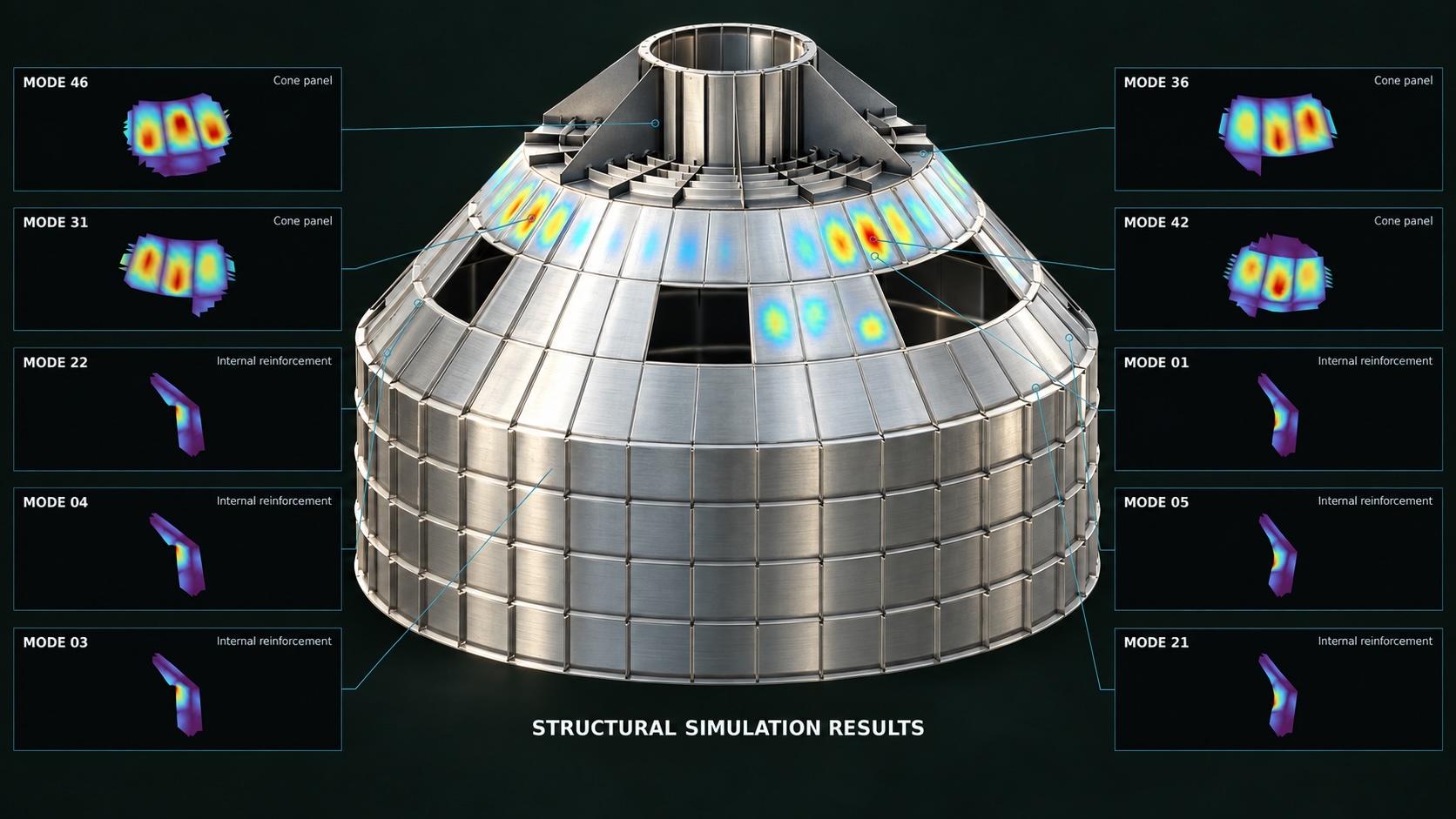
NVIDIA today announced the general availability of cuDSS, a CUDA-X library designed to offload a core computational step in engineering and scientific simulations onto GPUs. The software targets large sparse system solving, a mathematically intensive process that frequently bottlenecks simulation workflows. By leveraging GPUs, cuDSS aims to reduce the time required to obtain results and increase the volume of simulations teams can run. The announcement highlights cuDSS’s role in addressing growing computational demands as simulation models become more complex and detailed.
The library is positioned to support simulations across industries such as semiconductor design, aerospace, and industrial systems, where accurate performance prediction is critical before physical prototyping. cuDSS enables users to explore larger, more realistic models and broader design spaces without proportional increases in cost or time. NVIDIA emphasizes that the tool integrates with existing simulation and optimization software, allowing engineers and researchers to adopt GPU acceleration without overhauling workflows.
cuDSS is engineered to scale from individual workstations to large computing clusters, accommodating increasing workload sizes and complexities. Developers can integrate the library into their applications using programming interfaces for C, C++, Python, and Fortran. The announcement underscores the library’s potential to enhance throughput in simulation-driven workflows, particularly where sparse system solving is a recurring computational bottleneck.
NVIDIA describes cuDSS as part of its CUDA-X suite, a collection of libraries and tools designed to accelerate computing across domains. The company states that by accelerating sparse system solving, cuDSS helps teams iterate more quickly on designs and reduce reliance on costly physical testing. The general availability release follows a development period focused on optimizing performance and compatibility with existing simulation environments.