The future of the firm
OpenAI staff outline how AI could reshape corporate hierarchies, adding new layers beneath, beside, and between human roles as firms integrate intelligent agents.
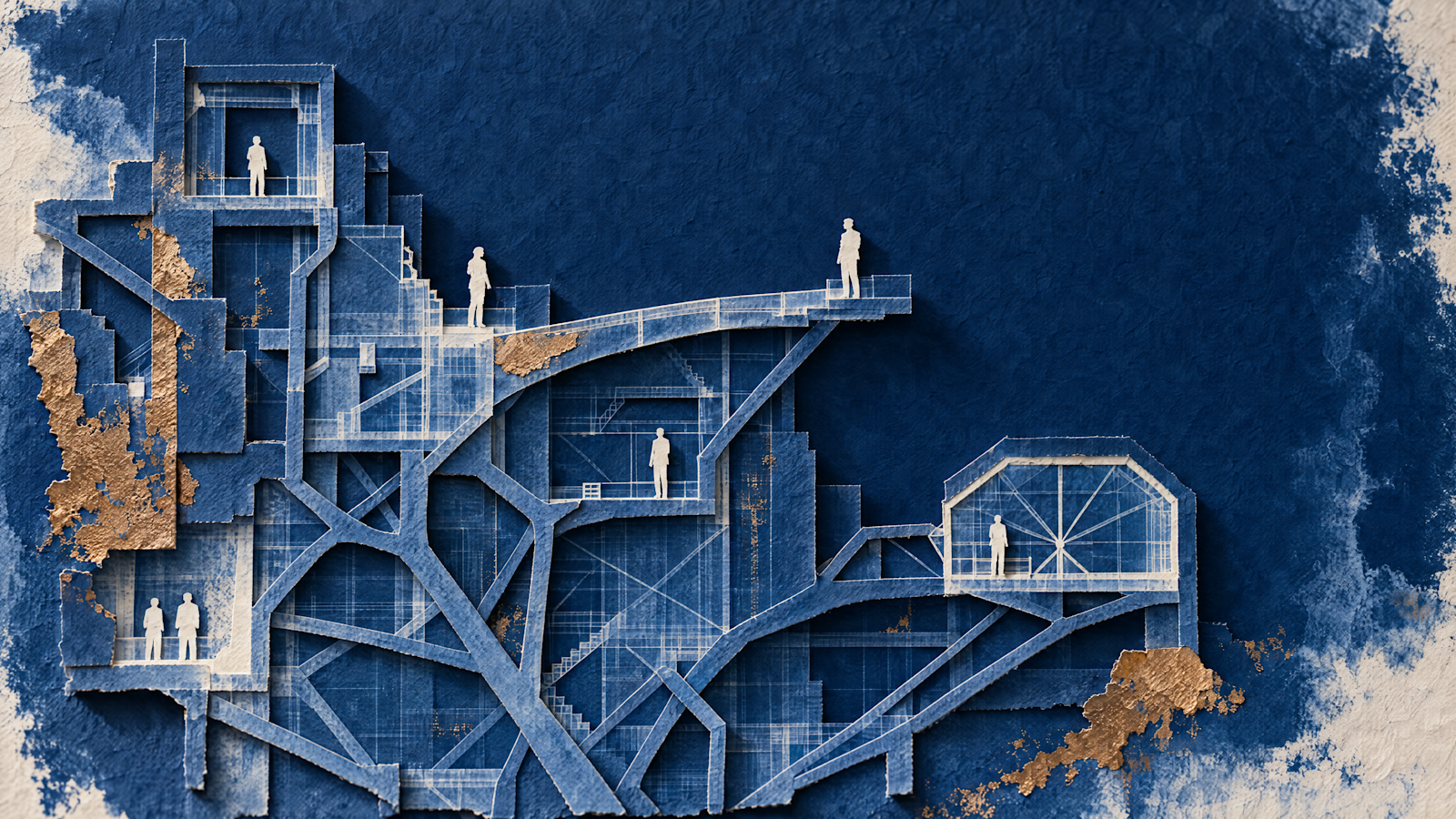
The authors describe how young managers at OpenAI already rely on AI agents to handle routine tasks, effectively creating a new tier of AI labor beneath them. These agents begin as interns but evolve into specialized teams performing functions like accounting or legal work under human oversight. The human workforce remains intact, while the AI layer grows, shifting daily responsibilities toward coordination and strategic decision-making. The authors argue this scenario avoids layoffs by automating past roles rather than current ones, expanding individual scope instead of reducing headcount.
In a second scenario, AI agents integrate directly into existing organizational structures as colleagues, reporting to human managers and executives. Initially assigned narrow tasks, these agents gradually take on broader responsibilities, climbing the corporate ladder alongside human employees. The authors suggest this approach accelerates adoption by allowing ground-level workers to experiment with AI before executives adopt it for higher-level functions. The focus remains on augmenting human roles rather than replacing them outright.
The third scenario introduces AI as an intermediary layer between senior leadership and junior staff, coordinating workflows and enforcing executive directives while recognizing individual contributions. This model positions AI as a bridge that translates high-level strategy into actionable tasks, ensuring alignment between top-down vision and bottom-up execution. The authors emphasize that this configuration does not eliminate human oversight but redistributes it, creating a hybrid structure where AI mediates between different tiers of the workforce.
The essay frames these organizational shifts as part of a broader transition toward "chimeric firms" where AI and humans collaborate across multiple layers. The authors caution that productivity gains from AI will depend on whether human workers remain essential to production processes. They note that historical trends show increased output rarely leads to reduced labor hours, suggesting that demand for human labor may persist if new value-added roles emerge. The focus is on gradual integration rather than abrupt automation.