2026's OLED monitors can nearly recreate the sublime clarity of a '90s CRT, but Windows will have to change before we can achieve true nirvana
OLED monitors in 2026 aim to replicate the motion clarity of 1990s CRTs, but Windows must adapt to fully support the technology for retro gaming and modern displays.
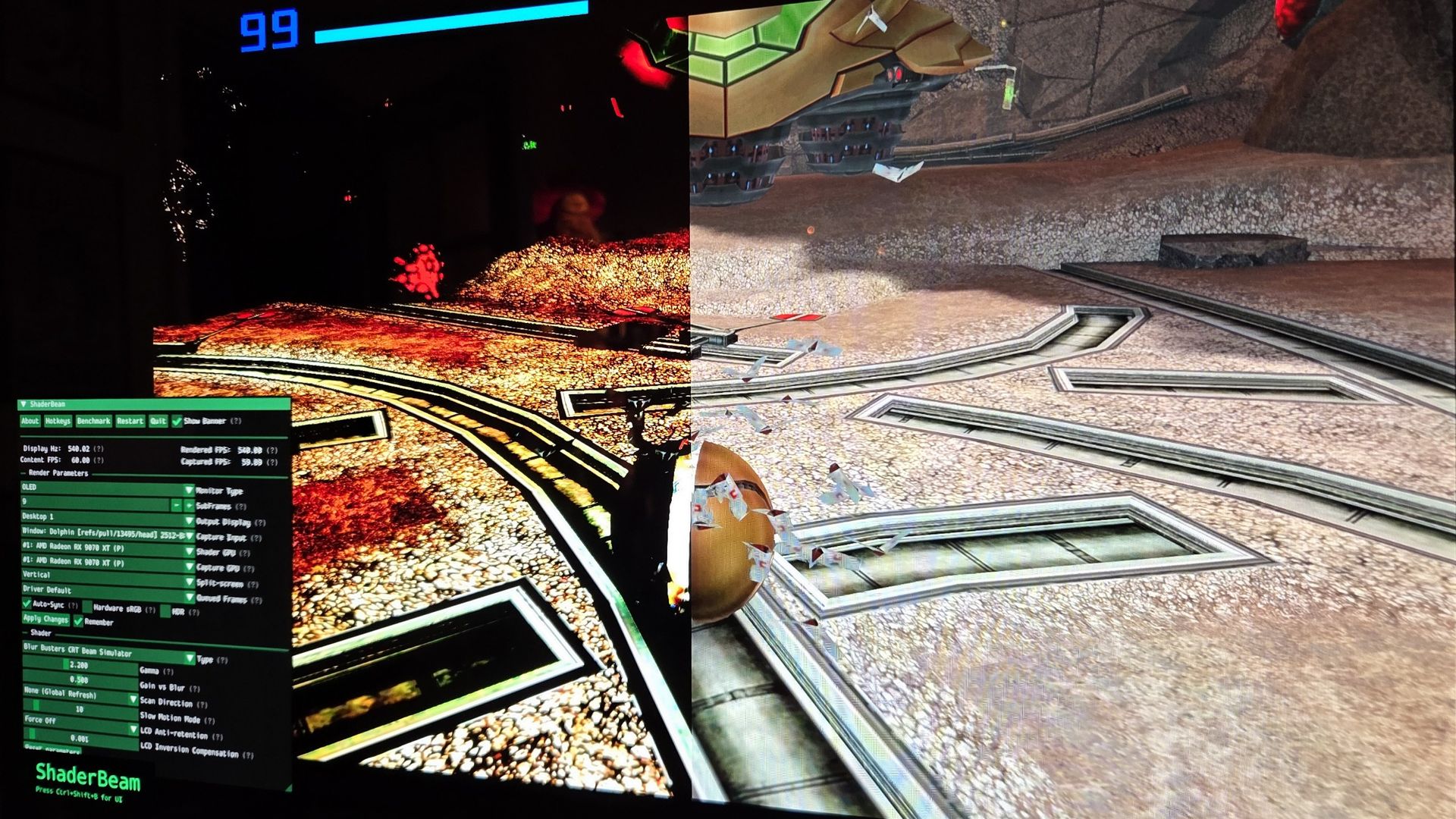
CRT monitors from the 1990s offered unmatched motion clarity, a quality still sought after by enthusiasts today. Modern high-refresh displays have improved but still fall short of the smoothness and responsiveness of older CRTs. Experts like Mark Rejhon of Blur Busters note that younger users may never have experienced the visual fidelity of CRTs, which remains a benchmark for display performance.
Nvidia’s G-Sync Pulsar and Rejhon’s CRT simulation algorithm aim to bridge this gap by using backlight strobing and rolling refresh cycles to mimic CRT behavior. These methods reduce motion blur without requiring extreme frame rates, though they require precise synchronization with display hardware and software.
OLED panels, with their ability to achieve perfect blacks and high brightness, are better suited for CRT simulation than traditional LCDs. Their high refresh rates help recreate the electron beam scanning effect of CRTs, offering a closer approximation to the original experience.
Implementing CRT simulation remains technically demanding, requiring manual adjustments to OS and GPU settings, disabling features like VRR, and even splitting rendering tasks across multiple GPUs. Despite these challenges, the technology represents a significant step toward restoring the visual clarity of past displays.