Data centers were some of the biggest losers in last night's US midterm elections
Voters in US midterm elections approved ballot measures restricting data center expansion in 38 of 39 local races, signaling broad opposition to their growth.
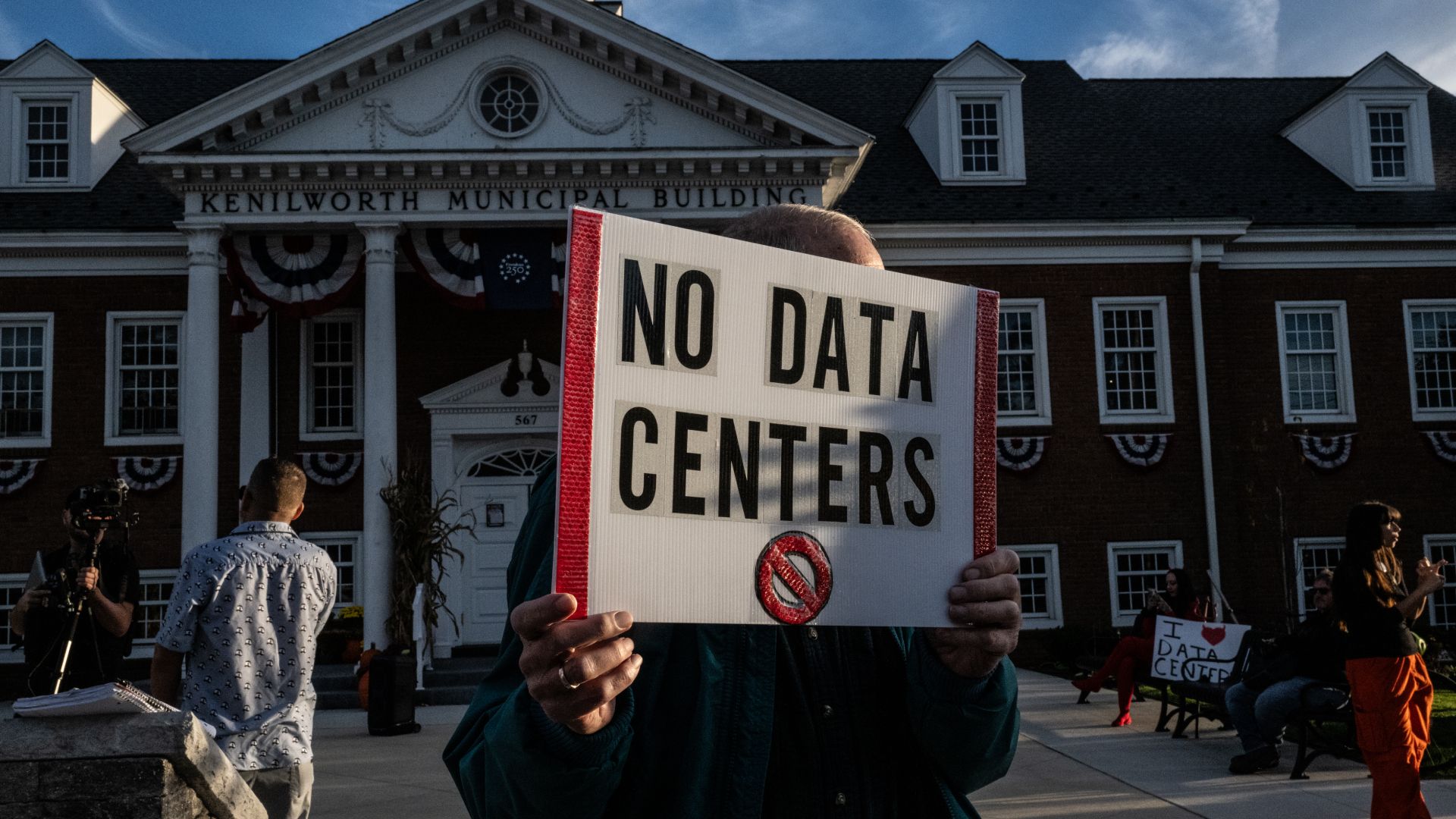
Voters across multiple states approved ballot measures to curb data center expansion, with 38 of 39 local races supporting restrictions. Eight races remain unresolved, but supporters of limits lead in six of those. The measures reflect growing public concern over environmental impact, energy consumption, and rising costs associated with data centers. Only one ballot initiative, in Harwood, North Dakota, failed to pass, where voters rejected a requirement for independent reviews before new construction.
Exit polls conducted by NBC indicated that 56% of midterm voters viewed AI data centers as either crucial or a major factor in their electoral decisions. Opponents of data centers cited environmental tolls, energy expenses, noise pollution, and rising RAM prices as primary concerns. The measures passed despite a broader Democratic electoral victory, suggesting bipartisan discontent with data center proliferation.
The ballot measures varied by locality but generally aimed to slow or halt new data center construction. Some proposals sought moratoriums, while others imposed stricter zoning or environmental review requirements. The widespread support for restrictions highlights a shift in public sentiment toward limiting tech infrastructure growth.
The results underscore a rare consensus across political lines, with voters prioritizing local environmental and economic concerns over technological expansion. Data center opponents argued that unchecked growth strains local resources and infrastructure, prompting the push for regulatory measures.