Endless Legend 2 review
Endless Legend 2 expands the sci-fantasy 4X genre with a dying world, shifting coastlines, and Amplitude’s signature creative design, arriving September 17, 2026 for $50.
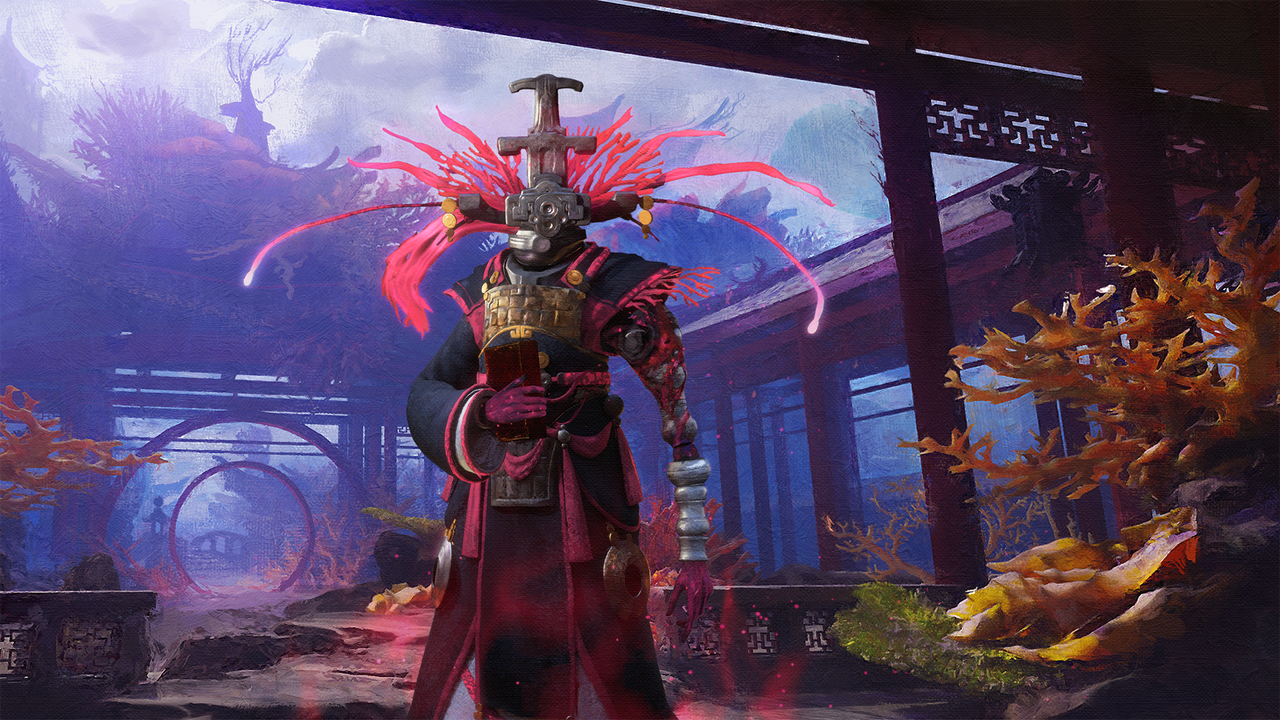
Endless Legend 2 marks the return of Amplitude Studios’ sci-fantasy 4X series, blending sword-and-sorcery aesthetics with technological elements. The game introduces Saiadha, a world where receding oceans reveal sunken landscapes and ancient technologies, reshaping the map every few dozen turns during Tidefall. This dynamic environment forces players to adapt strategies constantly, preventing the stagnation common in long 4X campaigns. The setting replaces traditional fantasy tropes with evolved desert lizards, coral robots, and sand spirit genies, offering a fresh yet familiar experience.
The visual design of Endless Legend 2 builds on the first game’s painterly style, using distinct matte and gloss textures to differentiate biomes and terrain types. Critics note the lighting remains flat outside monsoons, though the game’s aesthetic coherence remains a standout in the strategy genre. The soundtrack by Arnaud Roy adapts dynamically to on-screen events, softening bass during diplomacy to improve clarity. However, the redesigned UI introduces friction with symbol-heavy map markers, requiring players to learn icon placements to distinguish cities, armies, and resources.
Amplitude’s signature resource system, FIDSI (Food, Industry, Dust, Science, Influence), returns with luxury stockpiles for upgrades, maintaining a straightforward yet effective economic model. The game retains the studio’s tradition of faction uniqueness, with Saiadha’s receding oceans creating fresh strategic opportunities and threats. Neutral territories and minor factions add unpredictability, preventing the grind typical of late-game 4X scenarios. The changing map ensures constant movement, as players scout new frontiers and defend evolving borders.
While some innovations from the first game have become genre standards, Endless Legend 2 refines the formula with a more scientific-feeling setting and dynamic systems. The soundtrack’s adaptive design and the world’s evolving geography stand out as highlights. Minor critiques include flat lighting and UI symbol ambiguity, but the core experience remains engaging. The game’s ability to reignite excitement during mid-to-late game phases sets it apart in a crowded 4X landscape.